How Often Should You Get an Oil Change in Northern Michigan?
Why Oil Change Timing Matters More in Northern Michigan
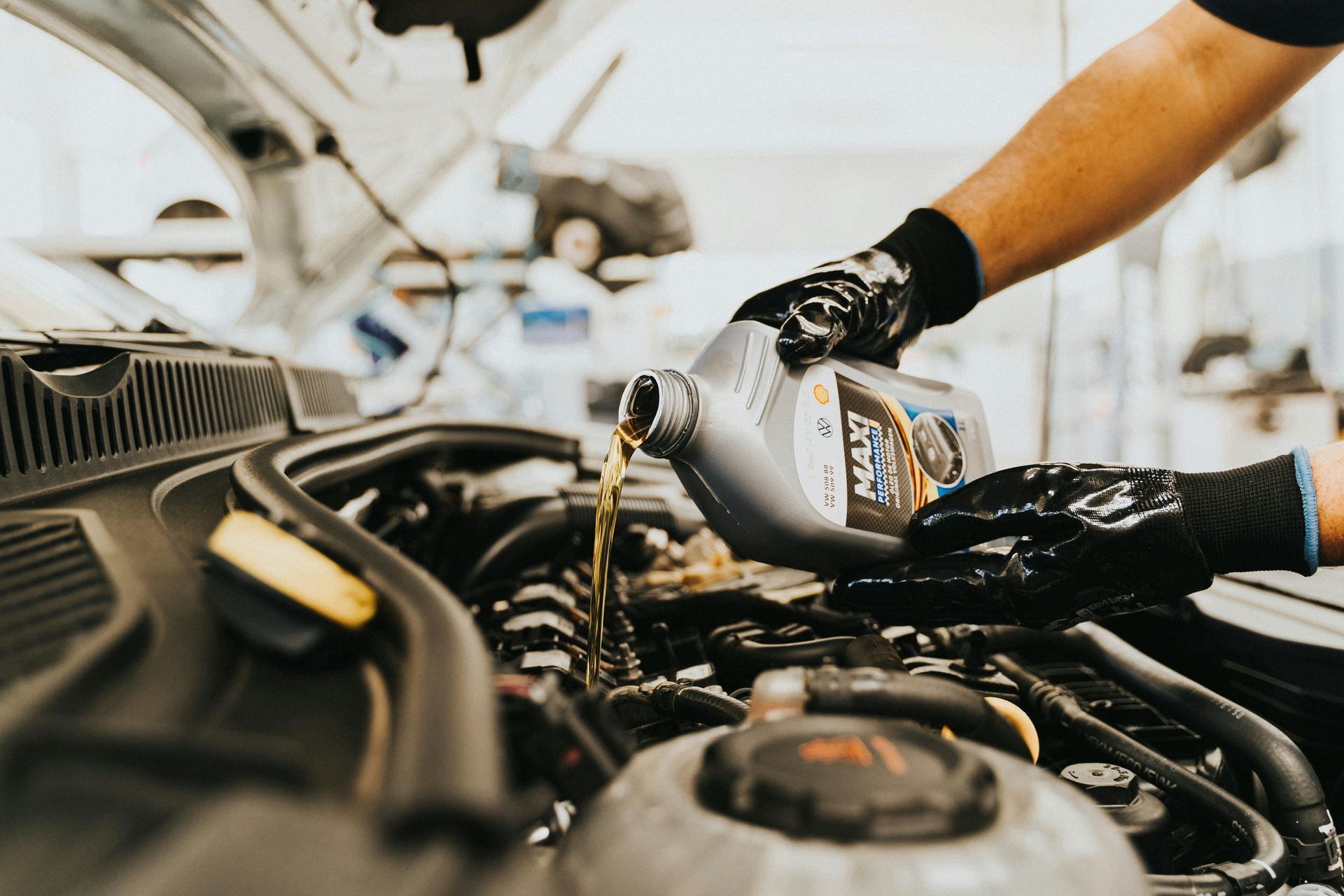
If you drive in Northern Michigan, oil change intervals matter more than many drivers realize. Cold winters, temperature swings, rural driving conditions, and seasonal stop-and-go traffic all affect how quickly engine oil breaks down. While many drivers still rely on outdated mileage rules, the truth is that oil change frequency depends on how and where you drive. This guide explains how often you should change your oil in Northern Michigan, what factors shorten oil life, and how staying on schedule helps protect your engine long-term.
What Engine Oil Does for Your Vehicle
Engine oil is essential to keeping your vehicle running properly. Its primary job is lubrication, but it also plays several other critical roles.
Engine oil:
- Reduces friction between moving parts
- Helps regulate engine temperature
- Prevents corrosion and rust
- Removes dirt and debris
- Improves overall engine efficiency
When oil breaks down or becomes contaminated, it can no longer protect the engine effectively, increasing wear and the risk of failure.
The Old 3,000-Mile Rule: Is It Still Relevant?
For years, drivers were told to change their oil every 3,000 miles. While that rule made sense decades ago, it no longer applies to most modern vehicles.
Advancements in:
- Engine design
- Oil formulation
- Filtration systems
have extended oil life significantly. However, Northern Michigan driving conditions often qualify as “severe use,” which can shorten recommended intervals even on newer vehicles.
Recommended Oil Change Intervals by Oil Type
Conventional Oil
- Typically every
3,000–5,000 miles
- More affected by cold starts and short trips
- Breaks down faster in harsh conditions
Synthetic Blend Oil
- Usually every
5,000–7,000 miles
- Offers better protection than conventional oil
- Common in many newer vehicles
Full Synthetic Oil
- Often
7,500–10,000 miles
- Best performance in extreme temperatures
- Ideal for Michigan winters
Always follow your vehicle manufacturer’s recommendations, but adjust based on real-world driving conditions.
Why Northern Michigan Driving Requires More Frequent Oil Changes
Cheboygan-area drivers experience conditions that accelerate oil degradation.
Cold Starts in Winter
Cold weather thickens oil, making it harder to circulate during startup. Frequent cold starts increase engine wear and contaminate oil more quickly.
Short Trips
Many local trips are under 10 miles. Short drives prevent oil from reaching optimal temperature, allowing moisture and fuel to build up.
Seasonal Temperature Swings
Rapid changes between freezing and warm temperatures stress engine components and oil performance.
Rural and Gravel Roads
Dust and debris can enter the engine system, contaminating oil faster than city-only driving.
Signs Your Oil Needs to Be Changed Sooner
Even if you’re within the recommended mileage range, certain warning signs indicate it’s time for an oil change.
Watch for:
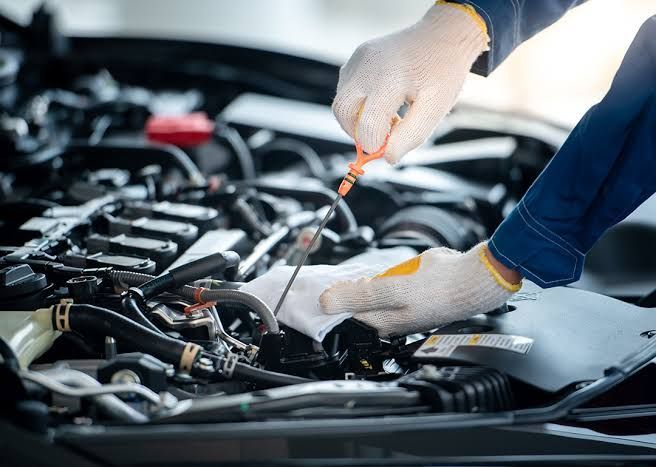
- Dark, dirty oil on the dipstick
- Engine noise or knocking
- Reduced fuel efficiency
- Oil or maintenance warning lights
- Burning oil smell
Ignoring these signs can lead to accelerated engine wear and costly repairs.
What Happens If You Wait Too Long Between Oil Changes?
Delaying oil changes doesn’t just affect performance—it can cause long-term damage.
Potential consequences include:
- Sludge buildup inside the engine
- Increased friction and overheating
- Reduced engine lifespan
- Voided manufacturer warranties
- Major engine repairs or replacement
Routine oil changes are one of the most cost-effective ways to avoid expensive mechanical issues.
How Driving Habits Affect Oil Change Frequency
Your personal driving habits matter just as much as mileage.
You may need more frequent oil changes if you:
- Drive short distances frequently
- Idle your vehicle often
- Tow trailers or haul heavy loads
- Drive in extreme temperatures
- Spend time in stop-and-go traffic
Vehicles used for work or frequent errands often require closer maintenance intervals.
Should You Rely on Your Oil Life Monitor?
Many modern vehicles include oil life monitoring systems. While helpful, these systems are estimates based on driving data, not actual oil condition.
Oil life monitors:
- Do not measure oil quality directly
- May not fully account for extreme cold
- Can underestimate contamination from short trips
They are a useful guide but should not replace regular inspections, especially in Northern Michigan.
The Importance of Professional Oil Changes
A professional oil change is more than just draining and refilling oil.
During a professional service, technicians typically:
- Replace the oil filter
- Inspect fluid levels
- Check belts and hoses
- Look for leaks
- Identify early signs of mechanical issues
These inspections help catch problems before they turn into breakdowns.
Choosing a Local Shop You Can Trust
Working with a local auto repair shop provides advantages beyond convenience.
Patriot Auto Repair understands the driving conditions unique to Cheboygan and Northern Michigan. Local experience allows technicians to recommend oil types and service intervals tailored to regional weather and road conditions.
Seasonal Oil Change Tips for Cheboygan Drivers
Before Winter
- Switch to oil rated for cold temperatures
- Check oil levels more frequently
- Combine oil changes with battery testing
Spring and Summer
- Inspect for winter-related wear
- Address sludge buildup from cold starts
- Ensure proper oil viscosity for warmer driving
Seasonal maintenance improves reliability year-round.
Frequently Asked Questions
How often should I change my oil if I drive mostly in town?
Local driving often qualifies as severe use. Oil changes every 3,000–5,000 miles are commonly recommended.
Is synthetic oil worth the cost?
Yes, especially in cold climates. Synthetic oil performs better in extreme temperatures and lasts longer.
Can I go a full year between oil changes?
Mileage matters more than time, but oil should generally be changed at least once per year even with low mileage.
Does skipping one oil change really matter?
Yes. Skipping even one service can lead to sludge buildup and accelerated engine wear.
Should I change oil before a long road trip?
Yes. Fresh oil improves engine protection and performance during extended driving.
Final Thoughts
Oil changes are one of the simplest yet most important services for vehicle longevity, especially in Northern Michigan. Understanding how climate, driving habits, and oil type affect service intervals allows Cheboygan drivers to make informed decisions. Staying proactive with oil changes helps prevent breakdowns, protects your engine, and keeps your vehicle running reliably through every season.
Recent Posts