What Does Roadside Assistance Actually Cover?
Why Roadside Assistance Is Often Misunderstood
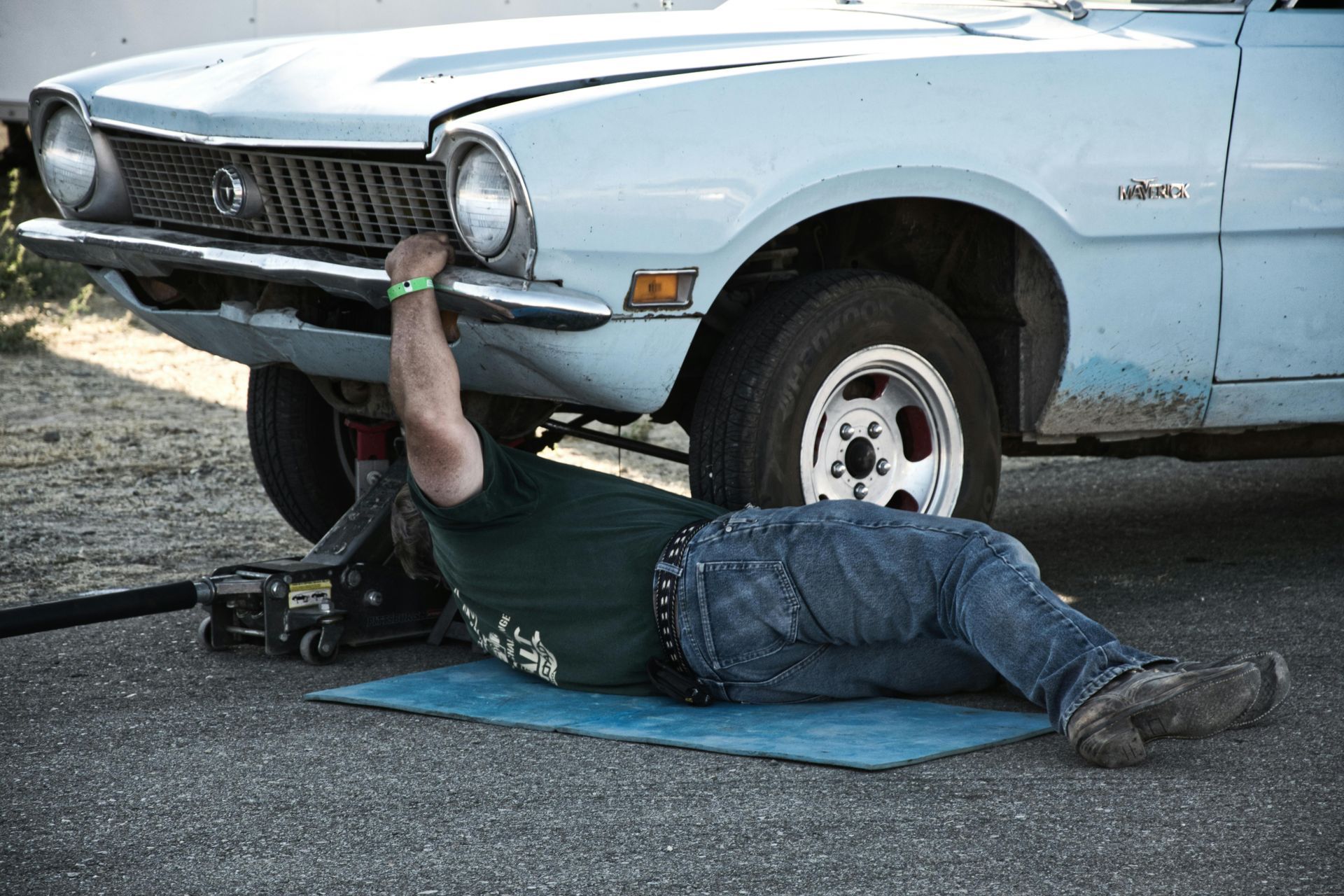
Many drivers assume roadside assistance only applies to major breakdowns or towing situations. In reality, roadside assistance covers a wide range of common, everyday vehicle problems that can leave drivers stranded or stressed. For drivers in Cheboygan, Michigan—where long stretches of road, winter weather, and rural driving are common—knowing exactly what roadside assistance includes can save time, money, and frustration. This guide explains what roadside assistance typically covers, when it’s the right solution, and how it differs from towing and full mechanical repair.
What Is Roadside Assistance?
Roadside assistance refers to on-the-spot services designed to get your vehicle operational again or move it to a safer location. These services address minor but disruptive issues that prevent a vehicle from being driven safely.
Roadside assistance is not the same as:
- Full mechanical repair
- Collision repair
- Long-distance vehicle transport
Instead, it focuses on quick, practical solutions at the roadside.
Most Common Roadside Assistance Services
Roadside assistance typically includes several core services that address the most frequent reasons vehicles become disabled.
Jump Starts
One of the most common roadside services. If your battery is drained due to cold weather, short trips, or accidentally leaving lights on, a jump start can restore power and allow the vehicle to run again.
Flat Tire Assistance
Roadside providers can change a flat tire using your spare or help determine whether towing is necessary if the tire is unsafe to replace roadside.
Lockout Services
If your keys are locked inside the vehicle or a key fob malfunctions, roadside assistance can safely unlock the vehicle without damage.
Fuel Delivery
Running out of fuel happens more often than many drivers expect, especially in rural areas. Roadside assistance can deliver enough fuel to get you back on the road.
Winching and Minor Recovery
If your vehicle becomes stuck in snow, mud, or a shallow ditch, roadside assistance may be able to pull it free without full towing equipment.
What Roadside Assistance Does NOT Cover
Understanding limitations is just as important as knowing what’s included.
Roadside assistance generally does not cover:
- Major engine or transmission repairs
- Collision damage repair
- Long-distance towing beyond set limits
- Parts replacement beyond basic components
- Repairs requiring shop equipment
When problems exceed roadside capability, towing to a repair facility is usually required.
Roadside Assistance vs Towing: What’s the Difference?
Drivers often confuse roadside assistance with towing, but they serve different purposes.
Roadside assistance:
- Aims to fix the issue on-site
- Is faster for minor problems
- Allows you to continue driving if possible
Towing:
- Moves the vehicle to another location
- Is required for major mechanical failures
- Is necessary after accidents or severe damage
Knowing which service you need helps prevent delays.
When Roadside Assistance Is the Right Choice
Roadside assistance is ideal when:
- The vehicle won’t start due to battery issues
- A flat tire occurs in an unsafe location
- Keys are locked inside
- Fuel runs out unexpectedly
- The vehicle is stuck but undamaged
These situations can often be resolved without towing.
When Towing Is the Better Option
Towing is usually necessary when:
- The engine overheats or stalls
- Transmission problems prevent driving
- A tire is damaged beyond roadside repair
- The vehicle has been in an accident
- Warning lights indicate serious failure
Attempting to drive in these situations can worsen damage.
How Cheboygan Driving Conditions Increase the Need for Roadside Assistance
Local conditions in and around Cheboygan make roadside assistance especially valuable.
Cold Weather
Michigan winters strain batteries, freeze locks, and reduce tire pressure, increasing roadside incidents.
Rural Roads
Limited lighting and long distances between towns make minor issues more disruptive.
Seasonal Travel
Tourism, boating, and off-road travel increase the risk of getting stuck or stranded.
Short Local Trips
Frequent short trips prevent batteries from fully recharging, leading to no-start situations.
What to Expect When Roadside Help Arrives
Understanding the process helps reduce stress.
A roadside technician will typically:
- Verify vehicle ownership
- Assess the issue safely
- Perform the appropriate service
- Recommend next steps if further repair is needed
Most roadside services are completed quickly if conditions are safe.
The Value of Using a Local Roadside Provider
Local roadside assistance providers offer advantages over national dispatch services.
Benefits include:
- Faster response times
- Familiarity with local roads and weather
- Personalized service
- Easier coordination with local repair shops
Patriot Auto Repair
provides roadside assistance services throughout Cheboygan and surrounding areas, helping drivers handle unexpected issues efficiently and safely.
Roadside Assistance for Older vs Newer Vehicles
Older Vehicles
More likely to experience battery issues, overheating, or mechanical wear that requires roadside help.
Newer Vehicles
Less frequent breakdowns but more complex electronics, making professional assistance safer than DIY fixes.
Both benefit from trained roadside technicians with proper tools.
Common Mistakes Drivers Make With Roadside Issues
Drivers sometimes unintentionally worsen the situation.
Avoid:
- Continuing to drive with warning lights on
- Attempting unsafe roadside repairs
- Standing too close to traffic
- Ignoring weather-related safety risks
- Waiting too long to request help
Quick, informed decisions reduce risk.
How to Prepare for Roadside Situations
Preparation improves safety and response time.
Helpful preparations include:
- Keeping emergency contact numbers accessible
- Carrying reflective triangles or flares
- Maintaining spare tire and tools
- Checking battery condition regularly
- Keeping fuel levels adequate
Being prepared reduces stress during unexpected breakdowns.
Frequently Asked Questions
Is roadside assistance available 24/7?
Many providers offer 24/7 service, especially for emergencies.
Will roadside assistance damage my vehicle?
Professional services use non-damaging methods designed to protect the vehicle.
Can roadside assistance fix all flat tires?
Only if the tire is safe to replace. Severe damage usually requires towing.
Does roadside assistance include off-road recovery?
Some providers offer limited recovery services depending on conditions.
Is roadside assistance worth it?
For many drivers, it provides peace of mind and faster resolution for common issues.
Final Thoughts
Roadside assistance covers far more than many drivers realize. From jump starts and flat tires to lockouts and fuel delivery, these services address the most common reasons vehicles become disabled. For drivers in Cheboygan, where weather and rural driving increase risk, understanding what roadside assistance includes helps ensure the right help arrives at the right time. Knowing when roadside assistance is sufficient—and when towing is necessary—can prevent damage, reduce stress, and keep you safer on the road.
Recent Posts