Wheel & Tire Repair: When Repair Is Better Than Replacement
Repair vs Replacement Is Not Always Obvious
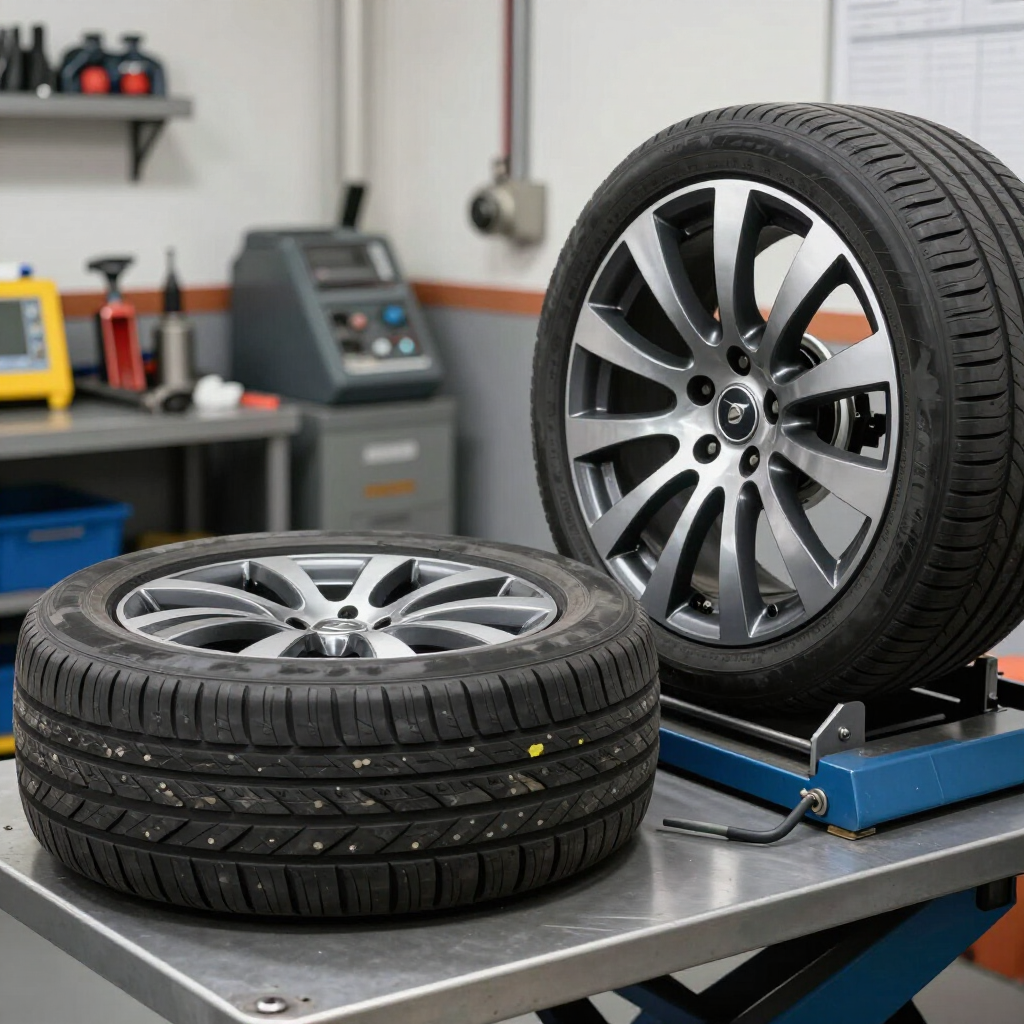
When a tire loses air or a wheel is damaged, many drivers assume replacement is the only option. In reality, not all tire or wheel damage requires immediate replacement. For drivers in Cheboygan, Michigan—where potholes, rough roads, seasonal temperature changes, and winter driving are common—knowing when a repair is safe and when replacement is necessary can save money while keeping your vehicle safe. This guide explains common types of wheel and tire damage, when repair is appropriate, and how professionals determine the safest solution.
Understanding the Difference Between Tire Damage and Wheel Damage
Although wheels and tires work together, they are separate components with different failure points.
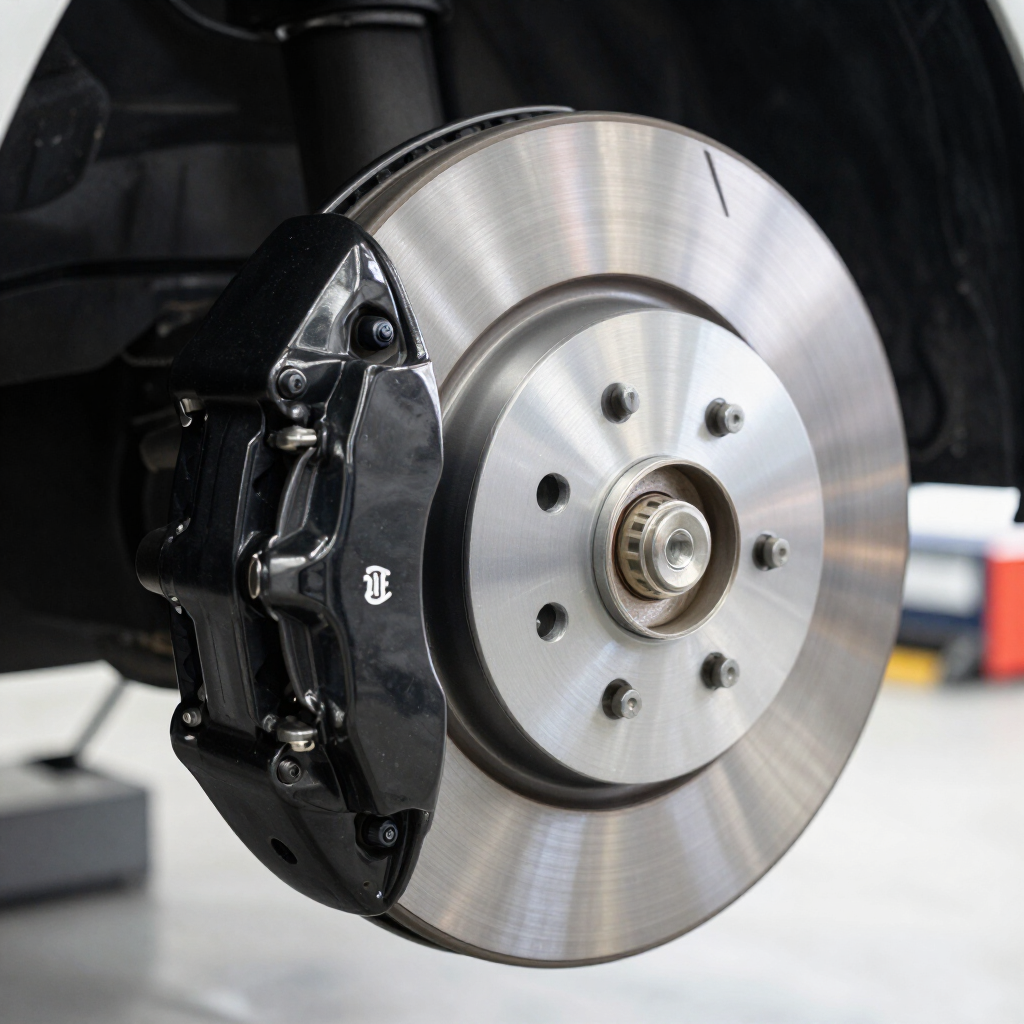
- Tires are rubber components that provide traction and absorb road impact
- Wheels are metal structures that support the tire and maintain proper alignment
Damage to either can affect handling, braking, and overall safety.
Common Types of Tire Damage
Not all tire damage is equal. Some issues are minor and repairable, while others compromise safety.
Tread Punctures
Small punctures caused by nails or screws in the tread area are often repairable if addressed quickly.
Sidewall Damage
Sidewall punctures, cuts, or bulges are not repairable. The sidewall flexes constantly and cannot be safely patched.
Uneven Tread Wear
Uneven wear may be caused by alignment issues, suspension problems, or improper inflation. The tire itself may still be usable, but the underlying issue must be corrected.
Blowouts
A blowout indicates structural failure. Tires that have blown out must be replaced.
Common Types of Wheel Damage
Wheel damage often occurs after hitting potholes, curbs, or debris.
Bent Wheels
Bent wheels can cause vibrations, uneven tire wear, and air loss. Some bends can be repaired depending on severity.
Cracked Wheels
Cracks compromise structural integrity and usually require wheel replacement.
Corrosion
Salt exposure during Michigan winters can corrode wheels, leading to air leaks or weakened structure.
Cosmetic Damage
Scratches and scuffs affect appearance but may not impact safety.
When Tire Repair Is a Safe Option
Professional tire repair follows strict safety guidelines.
Tire repair is generally safe when:
- The puncture is in the tread area
- The hole is small
- The tire has not been driven flat
- The internal structure is intact
Proper repair involves removing the tire, inspecting it internally, and installing a patch-plug combination rather than a simple external plug.
When Tire Replacement Is Necessary
Replacement is required when safety is compromised.
Tires must be replaced if:
- Damage is on the sidewall or shoulder
- The tire was driven while flat
- There are bulges or internal separations
- Tread depth is below safe limits
- Multiple punctures weaken the structure
Driving on unsafe tires increases the risk of blowouts and loss of control.
When Wheel Repair Is Possible
Wheel repair depends on material, damage location, and severity.
Wheel repair may be possible when:
- The wheel is bent but not cracked
- The damage does not affect mounting surfaces
- Structural integrity can be restored
Professional straightening restores balance and alignment without compromising safety.
When Wheel Replacement Is the Better Choice
Some wheel damage cannot be repaired safely.
Replacement is recommended when:
- The wheel has visible cracks
- Damage affects load-bearing areas
- Corrosion has weakened the structure
- Repair would compromise safety
Driving on damaged wheels can lead to tire failure and suspension damage.
How Cheboygan Road Conditions Contribute to Wheel and Tire Damage
Local driving conditions increase wear and damage risks.
Potholes
Freeze-thaw cycles create potholes that can bend wheels and rupture tires.
Winter Road Salt
Salt accelerates corrosion, especially on steel and alloy wheels.
Gravel and Rural Roads
Debris increases puncture risk and accelerates tread wear.
Seasonal Temperature Changes
Temperature swings affect tire pressure and rubber flexibility.
The Importance of Professional Inspection
Determining repair versus replacement requires more than a visual check.
A professional inspection includes:
- Measuring tread depth
- Checking internal tire structure
- Inspecting wheel balance and alignment
- Evaluating suspension components
Patriot Auto Repair provides wheel and tire inspection and repair services for Cheboygan drivers, helping ensure that repairs are safe and cost-effective rather than risky shortcuts.
Why DIY Tire Plugs Can Be Dangerous
Temporary tire plugs sold at auto stores are not designed for permanent repairs.
Risks of DIY plugs include:
- Air leaks over time
- Moisture entering the tire
- Belt corrosion
- Sudden failure at highway speeds
Professional repairs address both external and internal damage.
Wheel & Tire Damage and Vehicle Alignment
Wheel and tire issues often affect alignment.
Warning signs include:
- Steering pull
- Uneven tread wear
- Vibration at certain speeds
Ignoring alignment issues shortens tire life and affects handling.
Cost Considerations: Repair vs Replacement
Repair is typically less expensive than replacement, but safety must come first.
Factors affecting cost include:
- Tire age and tread depth
- Severity of damage
- Wheel material and design
- Labor requirements
Paying for proper inspection prevents unnecessary replacement and unsafe repairs.
How to Reduce Future Wheel and Tire Damage
While damage isn’t always avoidable, prevention helps.
Helpful habits include:
- Maintaining proper tire pressure
- Avoiding potholes when possible
- Rotating tires regularly
- Aligning wheels as recommended
- Replacing worn suspension components
Preventive maintenance extends tire and wheel life.
Seasonal Tire Considerations in Northern Michigan
Winter Driving
Cold temperatures reduce tire pressure and flexibility, increasing damage risk.
Summer Driving
Heat increases pressure and stresses worn tires, raising blowout risk.
Seasonal inspections help catch issues early.
Frequently Asked Questions
Can a tire with a nail always be repaired?
Only if the puncture is in the tread and the tire has not been driven flat.
Is wheel vibration always a balance issue?
Not always. Bent wheels or alignment problems can cause vibration.
How long does a repaired tire last?
When repaired properly, it can last the remainder of the tire’s usable life.
Are alloy wheels repairable?
Some bends can be repaired, but cracks usually require replacement.
Should I replace tires in pairs or sets?
It depends on wear and drivetrain type. A professional inspection helps determine the safest option.
Final Thoughts
Wheel and tire repair decisions should never be based on guesswork. While some damage can be safely repaired, other issues require replacement to protect your safety and vehicle performance. For drivers in Cheboygan, where road conditions and weather accelerate wear, professional inspection ensures the right decision is made every time. Understanding when repair is appropriate—and when replacement is necessary—helps avoid unnecessary costs while maintaining safe, reliable driving.
Recent Posts