How Off-Road Vehicle Recovery Works in Northern Michigan
Why Off-Road Vehicle Recovery Is Common in Northern Michigan
Northern Michigan offers miles of scenic trails, wooded areas, lakeshores, and unpaved roads that attract outdoor enthusiasts year-round. In and around Cheboygan, off-road driving is common for recreation, work, hunting, fishing, and seasonal travel. While these environments are enjoyable, they also increase the risk of vehicles becoming stuck or disabled far from paved roads. Off-road vehicle recovery is a specialized service designed to safely retrieve vehicles from difficult terrain without causing further damage. This guide explains how off-road recovery works, what situations require professional assistance, and why experience matters in Northern Michigan conditions.
What Is Off-Road Vehicle Recovery?
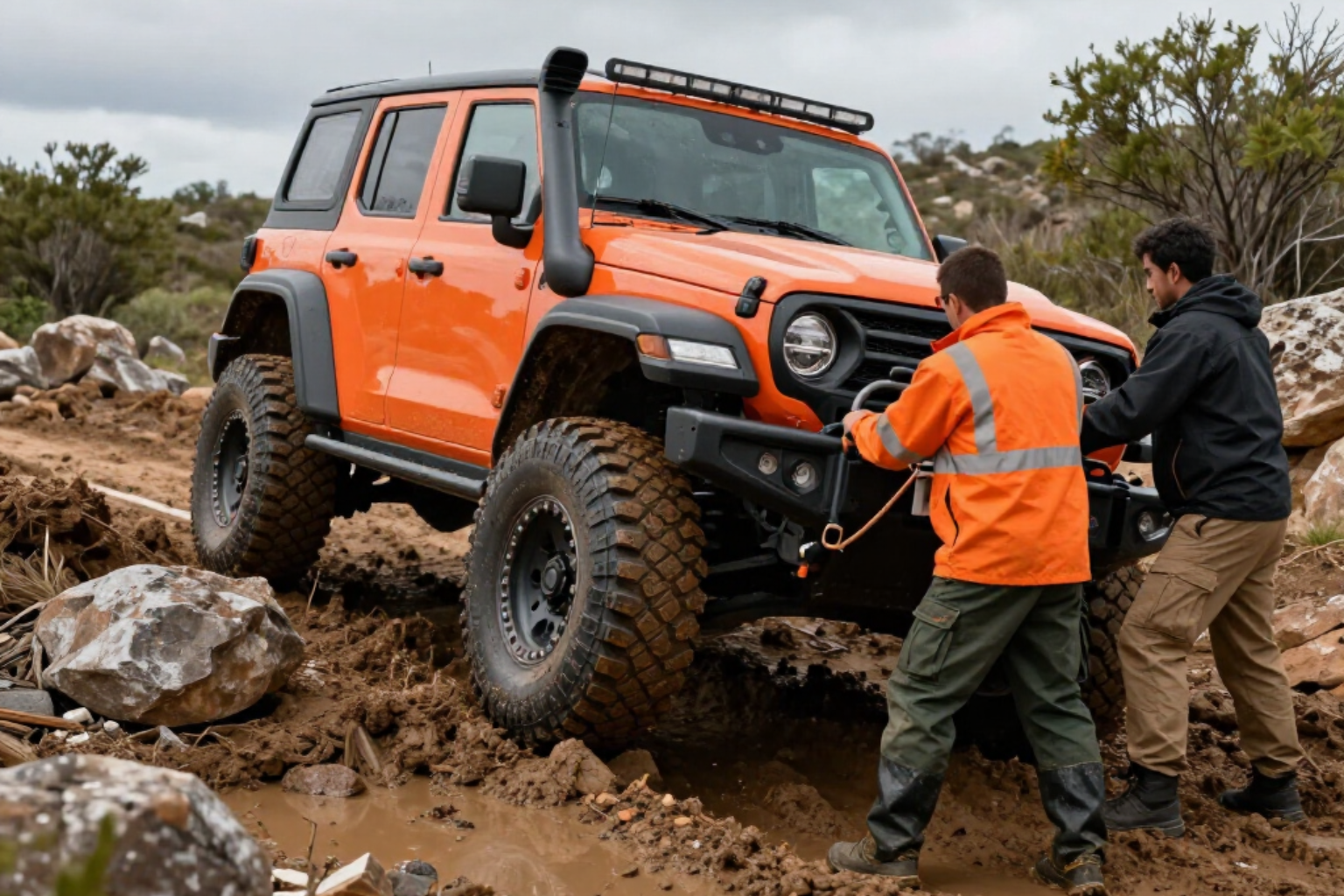
Off-road vehicle recovery involves retrieving a vehicle that is stuck, immobilized, or inaccessible using standard towing methods. These recoveries often occur in locations where traditional tow trucks cannot safely operate.
Common recovery scenarios include:
- Vehicles stuck in mud, snow, or sand
- Cars or trucks trapped in wooded areas
- Vehicles slid into ditches or embankments
- Off-road or recreational vehicles disabled on trails
- Trucks stuck on unmaintained or seasonal roads
Unlike standard towing, off-road recovery requires specialized equipment, training, and careful planning.
Why Vehicles Get Stuck Off-Road in Cheboygan
Northern Michigan terrain presents unique challenges that increase the likelihood of off-road recovery situations.
Mud and Soft Ground
Spring thaw and rain create deep mud that can quickly trap even four-wheel-drive vehicles.
Snow and Ice
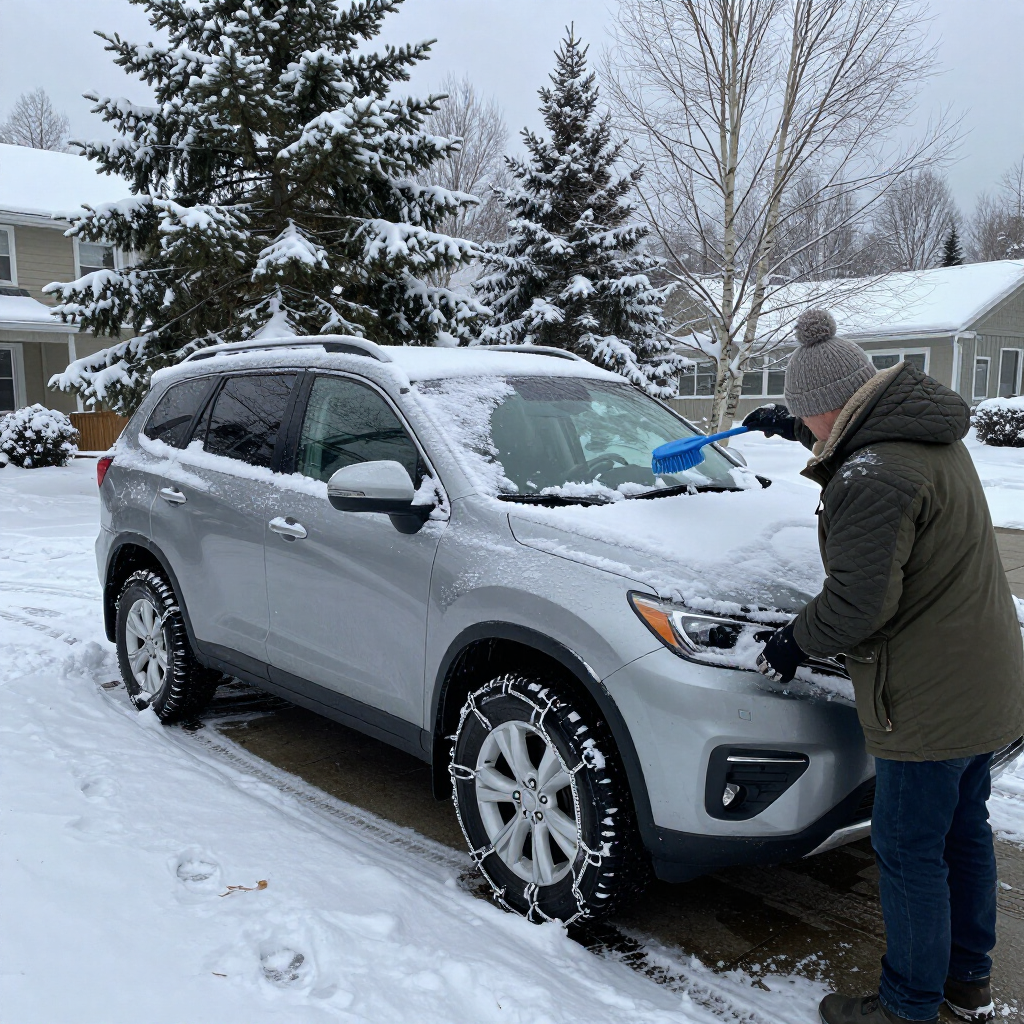
Winter conditions cause vehicles to slide off trails or sink into snowbanks, especially on unplowed roads.
Sand and Shoreline Terrain
Lakeshore areas and sandy trails can cause tires to dig in rather than gain traction.
Uneven or Hidden Obstacles
Rocks, roots, and ruts can immobilize vehicles or damage suspension components.
Overconfidence in Vehicle Capability
Four-wheel drive improves traction but does not make a vehicle immune to getting stuck.
When Off-Road Recovery Is Needed Instead of Towing
Not all stuck vehicles require off-road recovery, but certain situations make it necessary.
Off-road recovery is typically required when:
- The vehicle is inaccessible by paved roads
- A standard tow truck cannot reach the location
- The vehicle is embedded in mud, snow, or sand
- Winching is needed to extract the vehicle
- Driving out would cause further damage
Attempting to self-recover in these situations often worsens the problem.
How Professional Off-Road Recovery Works
Off-road recovery follows a structured process designed to prioritize safety and minimize damage.
Step 1: Situation Assessment
The recovery professional evaluates:
- Vehicle position and condition
- Terrain type and stability
- Potential risks to the vehicle and surroundings
- Best recovery method
This assessment determines the safest approach.
Step 2: Equipment Selection
Different situations require different tools, including:
- Winches
- Recovery straps and chains
- Snatch blocks
- Specialized recovery vehicles
- Traction aids
Using the wrong equipment can damage the vehicle or create hazards.
Step 3: Securing the Vehicle
The vehicle is stabilized to prevent further movement or rollover during extraction.
Step 4: Controlled Extraction
The vehicle is carefully pulled free using controlled force rather than sudden jerks. This protects suspension, drivetrain, and body components.
Step 5: Post-Recovery Inspection
Once recovered, the vehicle is checked for visible damage and assessed for safe operation.
Why Experience Matters in Off-Road Recovery
Off-road recovery is not simply about pulling a vehicle out. Improper recovery can cause serious damage.
Risks of inexperienced recovery include:
- Bent frames
- Damaged axles or suspension
- Broken tow points
- Vehicle rollovers
- Personal injury
Professional recovery technicians understand how to distribute force safely and choose appropriate anchor points.
The Role of Winching in Vehicle Recovery
Winching is one of the most common recovery methods in off-road situations.
Winching allows:
- Controlled pulling from a distance
- Recovery from steep angles
- Precise vehicle positioning
Winches must be anchored correctly to trees, vehicles, or ground anchors to avoid equipment failure.
Off-Road Recovery in Winter Conditions
Winter adds another layer of complexity to recovery operations in Cheboygan.
Challenges include:
- Frozen ground hiding hazards
- Deep snow concealing obstacles
- Limited traction for recovery vehicles
- Reduced visibility and daylight
Professional recovery teams are equipped to handle winter-specific hazards safely.
Why DIY Recovery Attempts Often Fail
Many drivers attempt to self-recover using straps, chains, or other vehicles. While this sometimes works, it often leads to additional problems.
Common DIY mistakes:
- Using undersized or damaged straps
- Attaching to weak vehicle points
- Sudden jerking motions
- Lack of communication between drivers
- Ignoring terrain stability
DIY recovery frequently results in vehicle damage or injury.
Safety Considerations During Off-Road Recovery
Safety is the top priority during any recovery operation.
Important safety practices include:
- Keeping bystanders clear
- Using rated recovery equipment
- Wearing protective gear
- Maintaining clear communication
- Avoiding sudden force
Professional recovery minimizes risk to everyone involved.
When Off-Road Recovery Transitions to Towing
In some cases, recovery alone is not enough.
Towing may be required when:
- The vehicle is mechanically disabled
- Suspension or drivetrain damage occurs
- Fluids are leaking
- Driving would be unsafe
Recovery professionals can coordinate towing after extraction if needed.
The Advantage of Local Recovery Services
Local providers understand Northern Michigan terrain, seasonal roads, and weather patterns.
Patriot Auto Repair offers off-road vehicle recovery services throughout Cheboygan and surrounding areas. Local experience allows for quicker response times and safer recoveries in challenging conditions.
How to Reduce the Risk of Needing Off-Road Recovery
While not all situations are avoidable, preparation helps reduce risk.
Helpful tips include:
- Avoiding trails beyond your vehicle’s capability
- Monitoring weather conditions
- Carrying recovery gear and communication tools
- Traveling with another vehicle when possible
- Knowing when to turn around
Good judgment prevents many recovery situations.
Frequently Asked Questions
Can any vehicle be recovered off-road?
Most vehicles can be recovered, but the method depends on terrain and condition.
Does four-wheel drive prevent getting stuck?
No. It improves traction but does not eliminate risk.
How long does off-road recovery take?
Time varies based on location, terrain, and vehicle condition.
Can off-road recovery damage my vehicle?
Professional recovery minimizes risk, but existing conditions may already cause damage.
Is off-road recovery available year-round?
Many providers offer recovery services throughout all seasons.
Final Thoughts
Off-road vehicle recovery plays an important role in Northern Michigan, where rugged terrain and seasonal conditions regularly challenge drivers. Understanding how recovery works, when professional help is needed, and why experience matters can prevent damage and improve safety. For Cheboygan drivers who venture beyond paved roads, knowing what to expect from off-road recovery services provides confidence and peace of mind when unexpected situations arise.
Recent Posts