Why Regular Brake Inspections Can Save You Money
Small Brake Problems Can Quickly Become Expensive Repairs
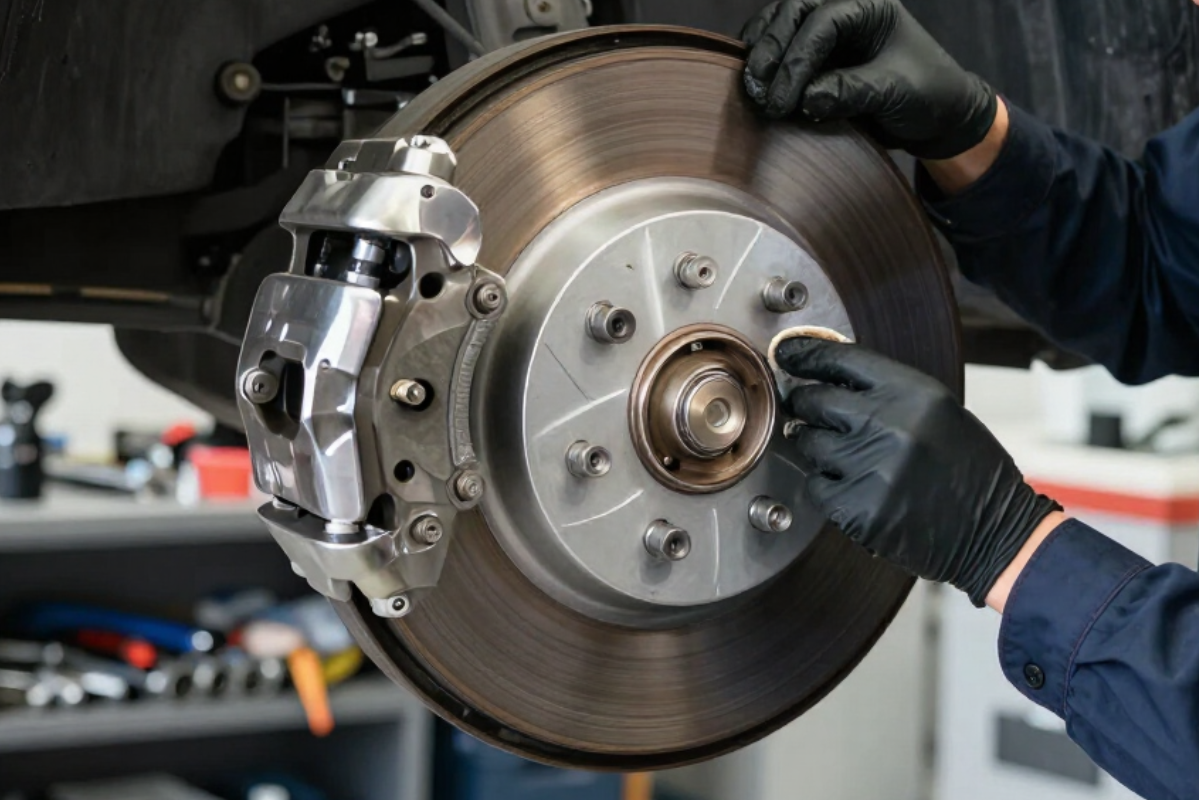
Your vehicle's braking system is one of its most important safety features, yet it's also one of the easiest systems to overlook. Many drivers don't think about their brakes until they hear squealing, feel grinding, or notice that their vehicle isn't stopping as quickly as it should. By the time these warning signs appear, what could have been a relatively inexpensive repair may have developed into a much larger and more costly problem.
For drivers in Cheboygan, Michigan, regular brake inspections are especially important. Northern Michigan's changing seasons expose vehicles to rain, snow, ice, road salt, gravel roads, and frequent freeze-thaw cycles that all contribute to brake wear. Whether you're commuting through town, driving rural highways, or navigating icy winter roads, dependable brakes are essential every time you get behind the wheel.
Routine brake inspections aren't simply about preventing accidents—they're also one of the smartest ways to reduce long-term repair costs. Catching worn brake pads before they damage the rotors, identifying fluid leaks early, and replacing aging components before they fail can save hundreds or even thousands of dollars over the life of your vehicle.
This guide explains why brake inspections matter, what technicians look for during an inspection, common warning signs of brake problems, and how preventive maintenance helps Cheboygan drivers stay safer while reducing repair expenses.
Understanding How Your Braking System Works
Most drivers know they press the brake pedal to slow down, but fewer understand how many components work together to make that happen.
A modern braking system typically includes:
- Brake pads
- Brake rotors (or discs)
- Brake calipers
- Brake fluid
- Brake lines
- Master cylinder
- Brake hoses
- Anti-lock Braking System (ABS)
Every component must function correctly for your vehicle to stop safely. If one part begins wearing out, it often places additional strain on the rest of the braking system.
This is one reason routine inspections are so valuable—they identify small issues before they begin affecting other components.
Why Brake Pads Wear Out
Brake pads are designed to wear down gradually.
Each time you press the brake pedal, the pads create friction against the rotors to slow the vehicle. Over thousands of miles, that friction naturally wears away the pad material.
Several factors affect brake pad lifespan, including:
- Driving habits
- Vehicle weight
- Traffic conditions
- Road terrain
- Weather
- Quality of brake components
Drivers who spend more time in stop-and-go traffic often replace brake pads sooner than drivers who mainly travel on highways.
What Happens When Brake Pads Become Too Thin?
Ignoring worn brake pads can become expensive very quickly.
As the friction material wears away, metal backing plates eventually contact the brake rotors.
This creates:
- Grinding noises
- Damaged rotors
- Reduced braking performance
- Increased stopping distances
- More expensive repairs
Replacing brake pads is usually much less costly than replacing both pads and rotors.
Routine inspections help identify worn pads before rotor damage occurs.
Brake Rotors Also Require Attention
Brake rotors are built to withstand tremendous heat and pressure, but they also wear over time.
Common rotor problems include:
- Warping
- Grooves
- Cracks
- Excessive wear
- Heat damage
Warped rotors often cause:
- Steering wheel vibration
- Brake pedal pulsation
- Uneven braking
- Longer stopping distances
Early detection may allow rotors to be resurfaced if manufacturer specifications permit. Waiting too long often means complete replacement becomes necessary.
Brake Fluid Is Often Forgotten
Brake fluid is one of the most overlooked maintenance items on a vehicle.
Unlike engine oil, brake fluid isn't consumed during normal operation. However, it gradually absorbs moisture from the atmosphere.
Moisture contamination can cause:
- Reduced braking performance
- Internal corrosion
- Soft brake pedal feel
- Damage to hydraulic components
Replacing brake fluid according to manufacturer recommendations helps maintain consistent braking performance while protecting expensive hydraulic parts.
Common Warning Signs That Your Brakes Need Inspection
Brake problems rarely appear without warning.
Watch for symptoms such as:
Squealing or Squeaking
Many brake pads include wear indicators that intentionally create a high-pitched squeal when replacement is approaching.
Grinding Sounds
Grinding usually indicates the brake pads have worn completely through, allowing metal-to-metal contact.
Brake Pedal Vibrations
A vibrating brake pedal often points to warped rotors.
Vehicle Pulling During Braking
If your vehicle pulls left or right while braking, it may indicate uneven brake wear or a sticking caliper.
Soft Brake Pedal
A pedal that feels spongy or travels farther than normal may indicate air in the brake lines or a hydraulic problem.
Dashboard Warning Lights
ABS or brake warning lights should always be inspected promptly.
How Northern Michigan Weather Affects Brakes
Cheboygan's climate creates unique challenges for braking systems.
Winter Road Salt
Salt accelerates corrosion on:
- Brake lines
- Calipers
- Rotors
- Hardware
Moisture
Snow, rain, and slush increase moisture exposure, encouraging rust formation.
Temperature Swings
Repeated freezing and thawing causes metal components to expand and contract, accelerating wear.
Gravel Roads
Loose gravel can increase brake dust and accelerate rotor wear.
Because of these conditions, Northern Michigan drivers often benefit from seasonal brake inspections.
What Happens During a Professional Brake Inspection?
A thorough brake inspection involves much more than simply looking at the brake pads.
Technicians typically examine:
- Brake pad thickness
- Rotor condition
- Brake calipers
- Brake hoses
- Brake lines
- Brake fluid
- Master cylinder
- Parking brake operation
- ABS components
The wheels are often removed so hidden components can be inspected properly.
This comprehensive approach helps identify developing problems before they affect safety.
The Financial Benefits of Preventive Brake Maintenance
Many drivers postpone brake service to save money.
Ironically, delaying repairs usually costs significantly more.
For example:
Replacing worn brake pads early may prevent:
- Rotor replacement
- Caliper damage
- Brake fluid contamination
- Wheel bearing stress
Preventive maintenance typically involves smaller repairs completed before additional components become damaged.
Driving Habits That Extend Brake Life
The way you drive has a direct impact on brake wear.
Helpful habits include:
- Leaving more following distance
- Avoiding hard braking whenever possible
- Reducing unnecessary speed
- Anticipating traffic flow
- Coasting toward stop signs
These habits reduce heat buildup and slow brake pad wear.
Why Cheap Brake Parts Can Cost More Later
Not all replacement brake components are manufactured to the same standards.
Lower-quality parts may:
- Wear faster
- Produce more brake dust
- Generate additional noise
- Reduce stopping performance
- Require earlier replacement
Investing in quality brake components often provides better long-term value.
Why Choose a Local Repair Shop for Brake Service?
Routine brake maintenance is about more than replacing worn parts.
An experienced local repair shop understands how regional weather, road conditions, and seasonal driving affect brake systems.
Patriot Auto Repair provides brake inspections, brake repairs, diagnostics, routine maintenance, towing, roadside assistance, and other automotive services for drivers throughout Cheboygan. Experienced technicians can identify developing brake problems early, helping customers avoid larger repairs while maintaining dependable braking performance throughout the year.
How Often Should Brakes Be Inspected?
Although every vehicle is different, most manufacturers recommend having brakes inspected at least once a year.
Additional inspections are recommended:
- Before winter
- Before long road trips
- When replacing tires
- Whenever warning signs appear
- During routine maintenance visits
Regular inspections provide valuable peace of mind and often uncover small problems before they become serious.
Frequently Asked Questions
How long do brake pads usually last?
Brake pad life varies depending on driving habits, vehicle type, and road conditions, but many last between 30,000 and 70,000 miles.
Can I keep driving if my brakes are squeaking?
Squeaking may indicate normal pad wear, but it should be inspected promptly before more serious damage develops.
What causes brake rotors to warp?
Excessive heat, heavy braking, and uneven wear are common causes of rotor warping.
Is brake fluid really necessary to replace?
Yes. Brake fluid absorbs moisture over time, reducing braking performance and increasing corrosion inside the hydraulic system.
Why does my steering wheel shake when I brake?
Steering wheel vibration often indicates warped brake rotors or uneven braking surfaces that should be inspected by a professional.
Final Thoughts
Routine brake inspections are one of the most effective ways to improve vehicle safety while reducing long-term repair costs. Small issues such as worn brake pads, aging brake fluid, or minor rotor wear can often be corrected quickly and affordably when caught early. Waiting until braking performance noticeably declines frequently leads to additional damage, longer repair times, and higher expenses.
For drivers in Cheboygan, Michigan, seasonal weather, road salt, gravel roads, and changing temperatures make regular brake maintenance even more important. By scheduling periodic inspections and addressing minor concerns before they become major repairs, you can help ensure your vehicle remains dependable throughout every season while protecting one of its most important safety systems.
Recent Posts