How to Prepare Your Vehicle for a Northern Michigan Winter
Winter Preparation Starts Before the Snow Falls
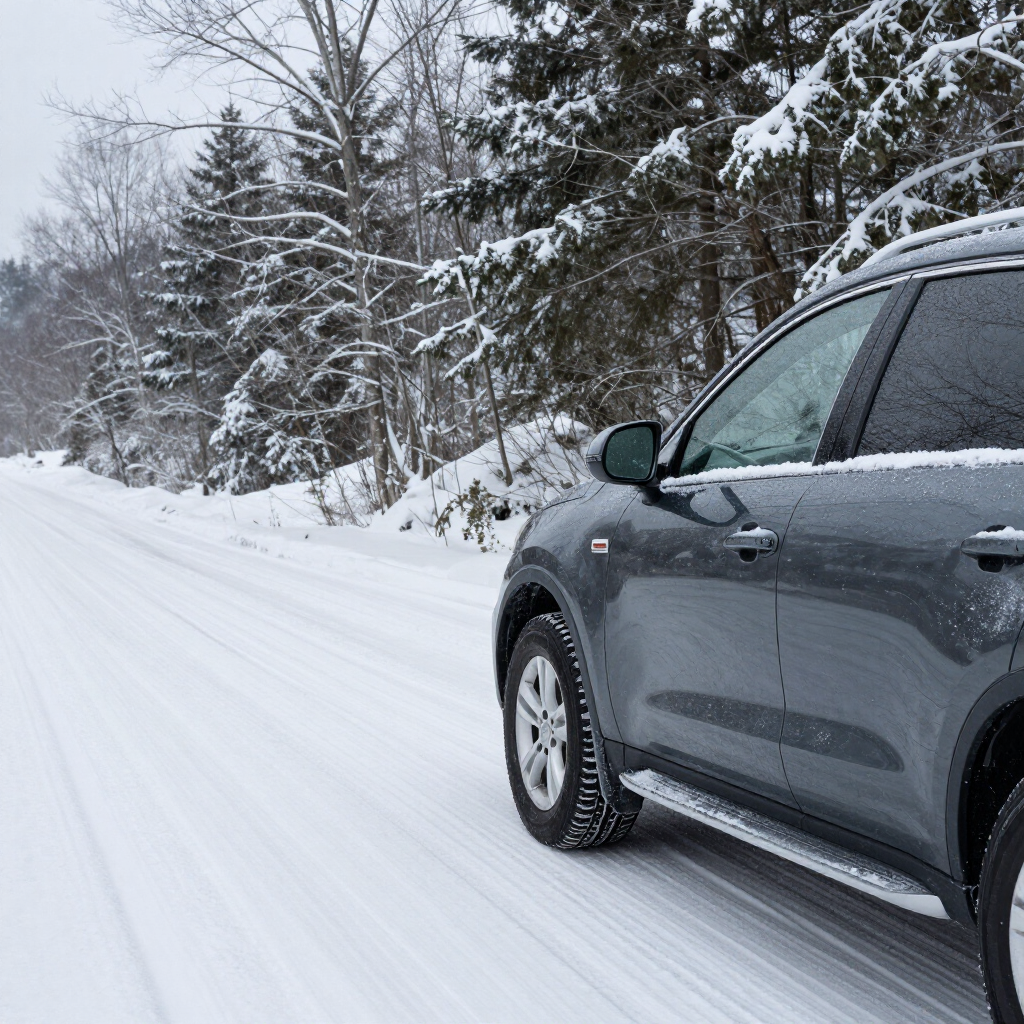
Winter in Northern Michigan can be beautiful, but it also creates some of the most challenging driving conditions of the year. Snow-covered roads, freezing temperatures, black ice, and strong winds all place additional demands on your vehicle. Whether you're commuting around Cheboygan, heading to work before sunrise, or traveling to visit family during the holidays, preparing your vehicle before winter arrives can help reduce the risk of breakdowns and improve your safety on the road.
Many winter-related vehicle problems are preventable with routine maintenance. Weak batteries, worn tires, low fluids, aging windshield wipers, and neglected brakes often become noticeable only after temperatures drop below freezing. By taking the time to inspect and service your vehicle before winter weather arrives, you can drive with greater confidence throughout the season.
This guide explains the most important steps every driver should take to prepare a vehicle for winter in Northern Michigan.
Why Winter Is Hard on Vehicles
Cold weather affects nearly every major system in your vehicle. Engine oil thickens, batteries lose power, tire pressure drops, and rubber components become less flexible.
Some of the biggest winter challenges include:
- Reduced battery performance
- Longer engine warm-up times
- Lower tire pressure
- Reduced traction on snow and ice
- Frozen locks and door seals
- Increased corrosion from road salt
Northern Michigan drivers also encounter changing road conditions that can shift from dry pavement to icy surfaces within only a few miles. Proper preparation helps ensure your vehicle can adapt to these changing conditions safely.
Start With Your Battery
One of the most common causes of winter breakdowns is battery failure.
Cold temperatures reduce a battery's ability to produce electrical current while simultaneously increasing the amount of power needed to start the engine. An older battery that worked perfectly during the summer may struggle once temperatures begin falling.
Signs your battery may need attention include:
- Slow engine cranking
- Dim headlights
- Electrical accessories operating slowly
- Dashboard battery warning light
- Battery older than three to five years
Having your battery professionally tested before winter is one of the simplest ways to avoid becoming stranded on a cold morning.
Check Your Tires Carefully
Your tires provide the only contact between your vehicle and the road. Their condition becomes even more important during winter.
Inspect your tires for:
- Adequate tread depth
- Uneven wear
- Sidewall cracks
- Embedded nails or debris
- Proper inflation
As temperatures drop, tire pressure decreases naturally. A tire that was properly inflated in September may be underinflated by December.
Proper tire pressure improves:
- Braking performance
- Steering response
- Fuel economy
- Tire life
- Traction on slippery roads
If you regularly drive through heavy snow or icy roads, winter tires may provide additional grip compared to all-season tires.
Inspect Your Brakes
Stopping safely becomes more difficult on snow-covered roads, making brake maintenance especially important.
Have your brakes inspected if you notice:
- Squealing noises
- Grinding sounds
- Soft brake pedal
- Steering vibration while braking
- Longer stopping distances
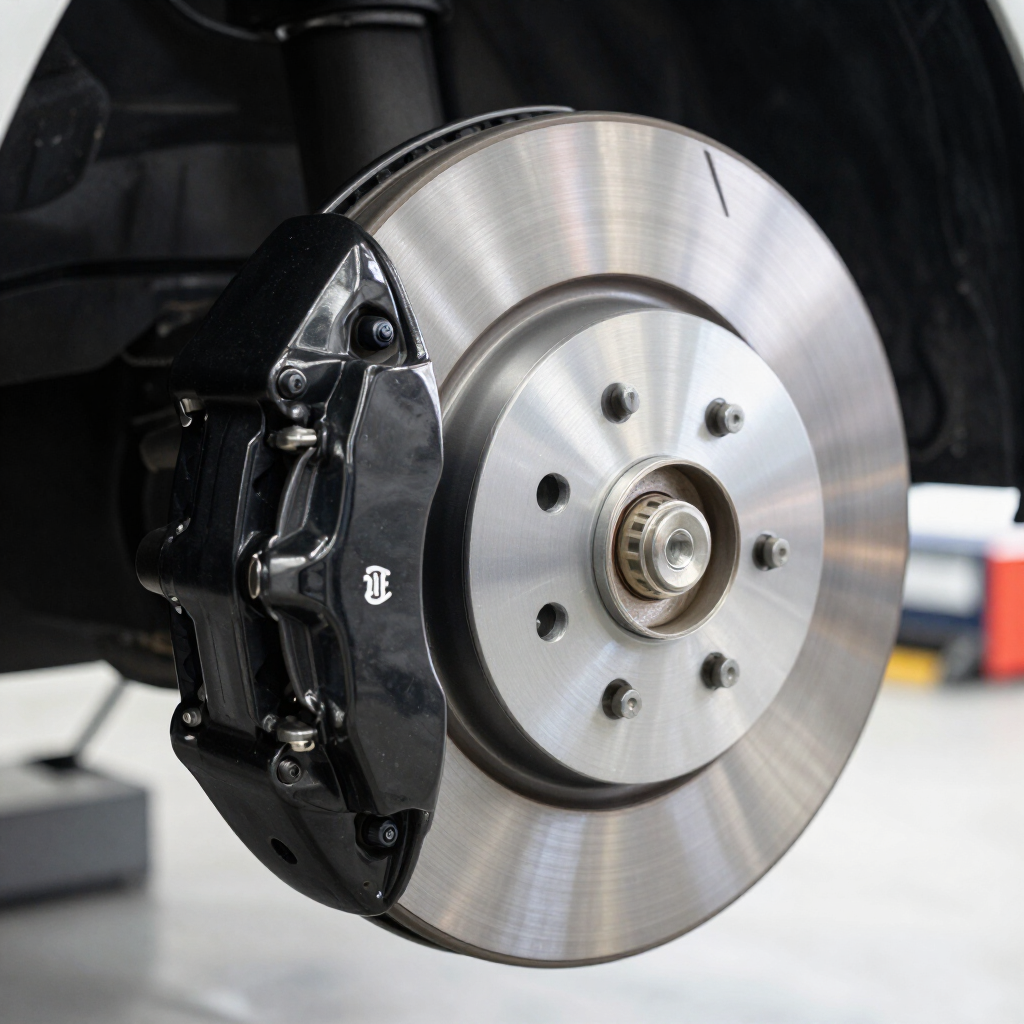
Professional brake inspections can identify worn pads, damaged rotors, leaking brake fluid, or other issues before winter weather makes them more dangerous.
Replace Worn Windshield Wipers
Visibility is critical during snowstorms and freezing rain.
Old windshield wipers often streak or skip across the glass, making it difficult to see during poor weather.
Replace wiper blades if they:
- Leave streaks
- Skip across the windshield
- Make excessive noise
- Show cracked or split rubber
Don't forget to top off your windshield washer fluid with a winter-rated formula that resists freezing.
Check All Vehicle Fluids
Cold weather places greater demands on vehicle fluids.
Before winter, inspect:
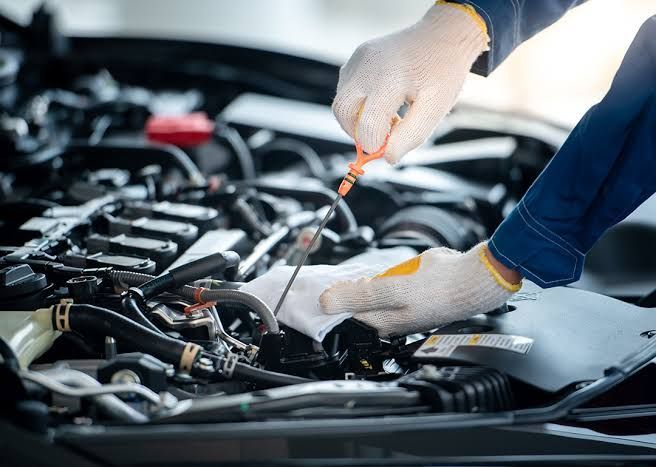
- Engine oil
- Coolant
- Brake fluid
- Transmission fluid
- Power steering fluid
- Windshield washer fluid
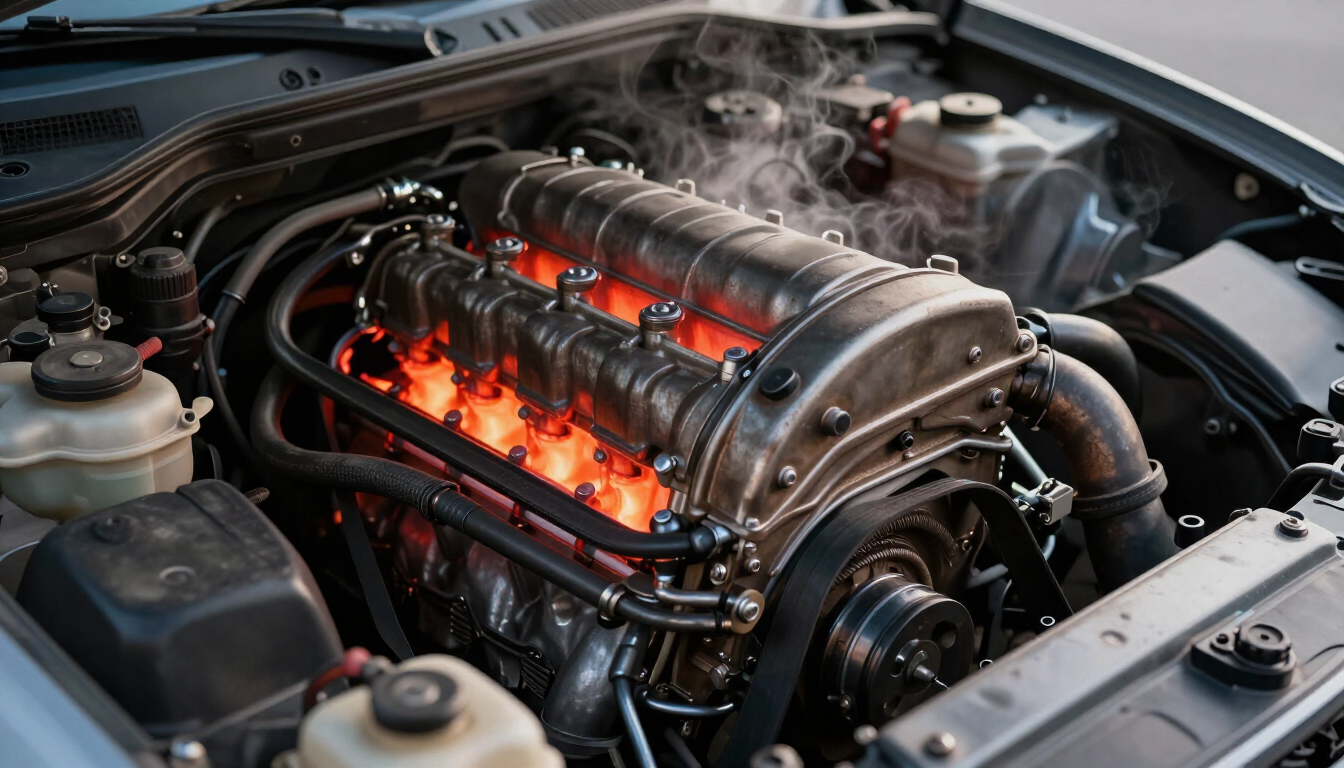
Coolant deserves particular attention because it prevents both freezing and overheating.
Using the correct coolant mixture helps protect your engine throughout the winter months.
Test Your Heating and Defroster Systems
Your heater does more than keep you comfortable.
It also:
- Defrosts windows
- Removes interior moisture
- Improves visibility
- Helps keep occupants safe during emergencies
If your heater isn't producing warm air or your defroster struggles to clear the windshield, have the system inspected before temperatures fall further.
Inspect Exterior Lights
Winter days are shorter, meaning drivers spend more time on the road in darkness.
Check:
- Headlights
- Brake lights
- Turn signals
- Reverse lights
- Hazard lights
Clean lenses also improve visibility by removing road salt and dirt buildup.
Prepare an Emergency Winter Kit
Even well-maintained vehicles can become stranded due to weather or road conditions.
Consider keeping these items inside your vehicle:
- Blanket
- Flashlight
- Extra batteries
- Phone charger
- Ice scraper
- Snow brush
- Small shovel
- Gloves
- Hat
- Non-perishable snacks
- Drinking water
- Reflective triangles
- First-aid kit
- Jumper cables
These supplies can make a significant difference if you experience a winter breakdown.
Don't Ignore Warning Lights
Dashboard warning lights should never be ignored, especially before winter.
Address issues involving:
- Check engine light
- Battery warning light
- Tire pressure monitoring system
- ABS warning light
- Brake warning light
Small problems often become larger once freezing temperatures arrive.
Schedule Preventive Maintenance Before Winter
Routine maintenance helps identify small issues before they become winter emergencies.
A seasonal inspection typically includes:
- Battery testing
- Tire inspection
- Brake evaluation
- Fluid level checks
- Belt and hose inspection
- Suspension evaluation
- Exterior lighting inspection
Patriot Auto Repair provides comprehensive maintenance, diagnostics, towing, roadside assistance, and repair services for drivers throughout Cheboygan. Preparing your vehicle before winter arrives can help reduce the likelihood of unexpected breakdowns during Michigan's coldest months.
Driving Habits Matter During Winter
Even a well-maintained vehicle requires careful driving.
Remember to:
- Reduce speed during snow and ice
- Increase following distance
- Accelerate gradually
- Brake smoothly
- Avoid sudden steering inputs
Safe driving complements proper vehicle maintenance.
Frequently Asked Questions
When should I prepare my vehicle for winter?
Ideally before temperatures consistently fall below freezing, usually during the autumn months.
Is winter maintenance necessary if I have a newer vehicle?
Yes. Even newer vehicles experience reduced battery performance, lower tire pressure, and increased wear during cold weather.
Should I install winter tires?
If you frequently drive in heavy snow or icy conditions, winter tires can significantly improve traction and stopping performance.
How often should tire pressure be checked during winter?
At least once each month and whenever temperatures change significantly.
Can cold weather affect engine oil?
Yes. Cold temperatures increase oil viscosity, making it more difficult to circulate during engine startup. Using the manufacturer-recommended oil helps protect the engine.
Final Thoughts
Preparing your vehicle for a Northern Michigan winter is one of the best investments you can make in your safety and your vehicle's long-term reliability. Cold temperatures, snow, ice, and road salt create demanding conditions that expose weak batteries, worn tires, aging brakes, and neglected maintenance items. Taking a proactive approach before winter begins can help prevent inconvenient breakdowns, improve handling and braking, and reduce the likelihood of expensive repairs later in the season.
Whether you're driving across Cheboygan for daily errands or heading out on longer trips through Northern Michigan, routine inspections and seasonal maintenance provide added confidence when road conditions become unpredictable. A well-prepared vehicle is better equipped to handle everything a Michigan winter has to offer.
Recent Posts