Engine Overheating: Causes, Warning Signs, and What to Do
Why an Overheating Engine Should Never Be Ignored

Few vehicle problems can become expensive as quickly as an overheating engine. What may begin as a rising temperature gauge or a little steam from under the hood can quickly develop into serious engine damage if ignored. Overheating affects every type of vehicle, from compact cars and SUVs to pickup trucks and commercial vehicles.
For drivers in Cheboygan, Michigan, engine overheating can occur at any time of year. While many people associate overheating with hot summer weather, cold winters can also contribute to cooling system problems. Frozen coolant, failing thermostats, damaged hoses, or unnoticed leaks can all prevent your engine from maintaining the proper operating temperature.
The good news is that most overheating problems provide warning signs before catastrophic damage occurs. Understanding these signs, recognizing the common causes, and knowing how to respond can save you from expensive repairs and unexpected roadside breakdowns.
This guide explains why engines overheat, what warning signs to watch for, what you should do if it happens, and how regular maintenance can help prevent future problems.
Why Your Engine Needs a Cooling System
Internal combustion engines generate an incredible amount of heat every time they operate. Without a properly functioning cooling system, engine temperatures would rise high enough to damage metal components within minutes.
The cooling system works by circulating coolant through the engine and radiator, where excess heat is released into the outside air.
Major cooling system components include:
- Radiator
- Water pump
- Thermostat
- Cooling fan
- Radiator hoses
- Coolant reservoir
- Heater core
- Coolant (antifreeze)
If any one of these components fails, engine temperatures can rise rapidly.
What Is Considered Engine Overheating?
Most vehicles operate within a normal temperature range established by the manufacturer.
When the engine temperature exceeds that range, the cooling system can no longer remove heat effectively.
Signs of overheating include:
- Temperature gauge entering the red zone
- Temperature warning light illuminating
- Steam coming from under the hood
- Burning smells
- Reduced engine performance
- Warning messages on the dashboard
Overheating should never be ignored, even if the vehicle appears to continue running normally.
Common Causes of Engine Overheating
Several different problems can cause an engine to overheat.
Low Coolant Levels
One of the most common causes is insufficient coolant.
Coolant levels may become low because of:
- Leaking hoses
- Radiator leaks
- Water pump leaks
- Loose hose clamps
- Evaporation over time
Without enough coolant circulating through the engine, heat cannot be removed efficiently.
Radiator Problems
The radiator transfers heat from the coolant into the surrounding air.
Problems include:
- Internal blockage
- External debris
- Corrosion
- Damaged cooling fins
- Cracks or leaks
A restricted radiator cannot cool the engine effectively.
Thermostat Failure
The thermostat regulates coolant flow based on engine temperature.
If it sticks closed, coolant cannot circulate properly.
This causes engine temperatures to climb quickly, often within only a few miles of driving.
Fortunately, thermostat replacement is usually much less expensive than repairing an overheated engine.
Water Pump Failure
The water pump keeps coolant moving throughout the cooling system.
Signs of water pump problems include:
- Coolant leaks
- Grinding noises
- Overheating at highway speeds
- Steam from under the hood
A failed water pump often requires immediate repair.
Cooling Fan Problems
Many modern vehicles rely on electric cooling fans.
If the fan stops operating, airflow through the radiator decreases, especially during:
- Stop-and-go traffic
- Idling
- Slow-speed driving
The engine may remain cool while driving on the highway but overheat in traffic.
Damaged Radiator Hoses
Rubber hoses naturally deteriorate with age.
Over time they can:
- Crack
- Split
- Collapse internally
- Develop leaks
Even a small coolant leak can eventually lead to overheating.
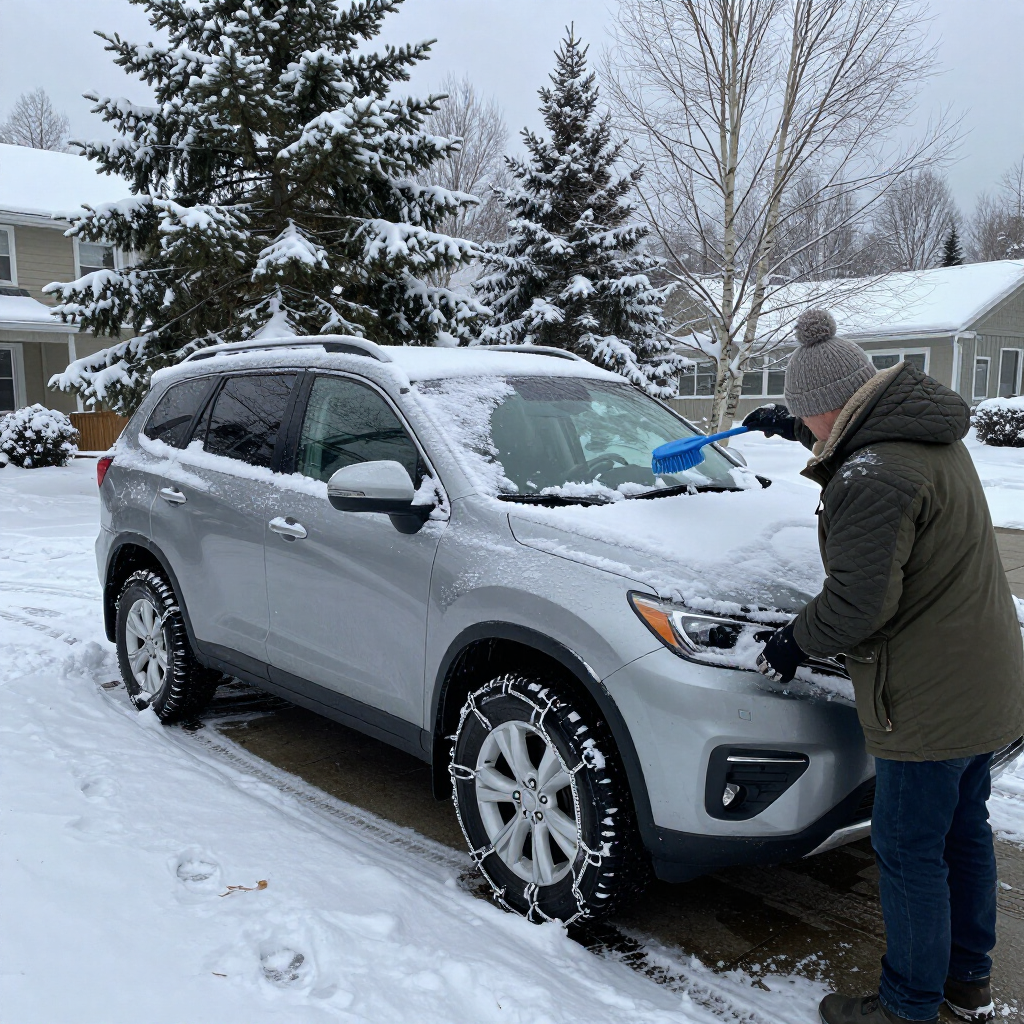
How Northern Michigan Weather Affects Cooling Systems
Many people assume overheating is only a summer issue.
However, Cheboygan's climate presents challenges throughout the year.
Winter
Freezing temperatures can affect:
- Thermostats
- Hose flexibility
- Coolant concentration
- Water pump seals
Improper coolant mixtures may even freeze inside the engine.
Summer
Warmer weather places greater demands on:
- Radiators
- Cooling fans
- Coolant efficiency
Long road trips and towing increase heat generation significantly.
Early Warning Signs Before an Engine Overheats
Most cooling system problems develop gradually.
Watch for:
- Temperature gauge climbing higher than normal
- Sweet smell of coolant
- Small puddles under the vehicle
- Low coolant warning
- Heater blowing cool air
- Steam near the hood
- Reduced engine performance
Addressing these symptoms early often prevents more serious repairs.
What Should You Do If Your Engine Overheats?
If you suspect your engine is overheating, acting quickly can prevent severe damage.
Step 1: Turn Off the Air Conditioner
This reduces engine load immediately.
If safe, turning the heater on full can help draw heat away from the engine.
Step 2: Pull Over Safely
Move to a safe location as soon as possible.
Turn on your hazard lights and avoid continuing to drive.
Step 3: Shut Off the Engine
Once safely stopped, turn the engine off.
Allow it to cool completely before inspecting anything.
Step 4: Never Remove the Radiator Cap While Hot
Pressurized coolant can exceed boiling temperatures.
Removing the cap too soon can cause severe burns.
Always allow the engine to cool first.
Step 5: Arrange Professional Assistance
Driving an overheating vehicle even a short distance can significantly increase repair costs.
Professional diagnosis helps determine the root cause before additional damage occurs.
What Happens If You Continue Driving?
Ignoring an overheating engine can lead to catastrophic failures.
Possible consequences include:
- Blown head gasket
- Warped cylinder head
- Cracked engine block
- Damaged pistons
- Engine seizure
These repairs often cost many times more than fixing the original cooling system problem.
Preventing Engine Overheating
Routine maintenance dramatically reduces overheating risk.
Helpful maintenance includes:
- Checking coolant levels regularly
- Inspecting hoses
- Replacing worn belts
- Flushing coolant at recommended intervals
- Testing the thermostat
- Inspecting the radiator
- Verifying cooling fan operation
Preventive maintenance is far less expensive than engine replacement.
Why Regular Cooling System Inspections Matter
Cooling systems are often overlooked because most components operate quietly until something fails.
Professional inspections can identify:
- Small coolant leaks
- Aging hoses
- Weak hose clamps
- Corrosion
- Cooling fan issues
- Thermostat problems
Finding these issues early helps prevent unexpected roadside breakdowns.
The Importance of Using the Correct Coolant
Not all coolant formulations are the same.
Using the incorrect coolant may cause:
- Corrosion
- Reduced cooling efficiency
- Seal damage
- Premature component failure
Always follow the manufacturer's specifications for coolant type and mixture.
Why Choose a Local Repair Shop?
When an engine overheats, proper diagnosis is essential.
Several different cooling system components may produce similar symptoms, making professional testing important.
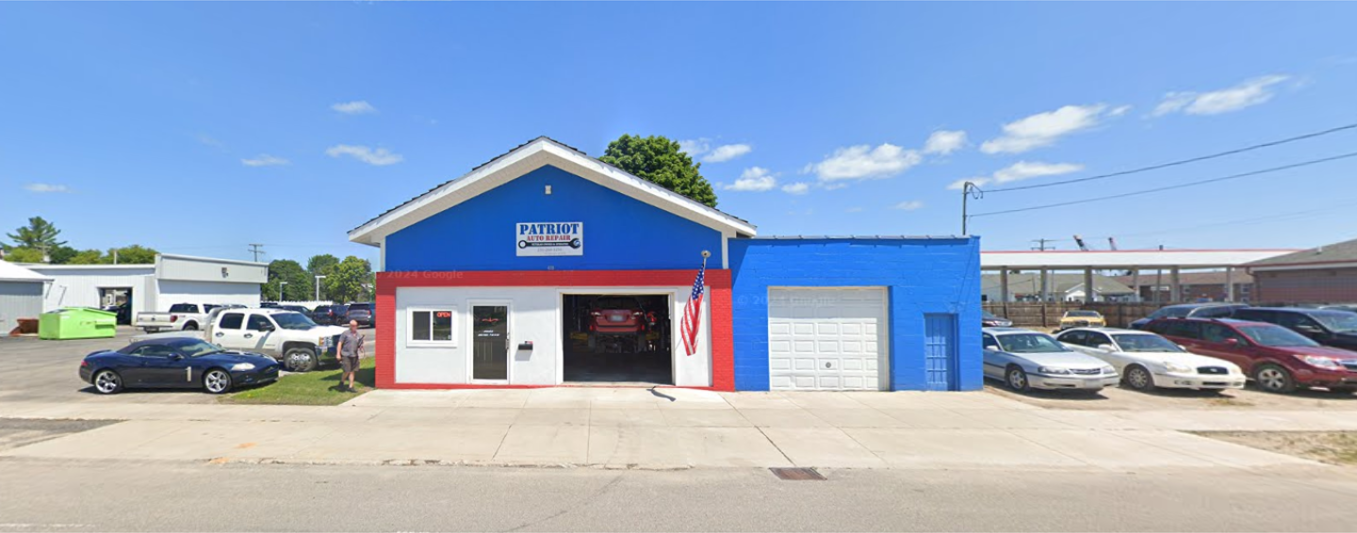
Patriot Auto Repair provides cooling system diagnostics, engine repair, preventive maintenance, towing, roadside assistance, and complete automotive repair services for drivers throughout Cheboygan. Experienced technicians can identify overheating problems accurately and recommend repairs that help restore reliable engine performance.
Frequently Asked Questions
Can low coolant cause engine overheating?
Yes. Low coolant is one of the most common reasons engines overheat because there is not enough coolant available to remove heat effectively.
Is it safe to keep driving if my temperature gauge is high?
No. Continuing to drive can cause severe engine damage. Pull over safely and allow the engine to cool before arranging professional assistance.
How often should coolant be replaced?
Service intervals vary by manufacturer, but many vehicles require coolant replacement every 30,000 to 100,000 miles or according to the owner's manual.
Why is my heater blowing cold air while the engine is overheating?
Low coolant levels or poor coolant circulation often prevent warm coolant from reaching the heater core.
Can winter weather cause overheating?
Yes. Frozen coolant, thermostat failure, restricted coolant flow, or damaged cooling system components can all contribute to overheating during cold weather.
Final Thoughts
Engine overheating is one of the most serious mechanical problems a vehicle can experience, but it is also one of the most preventable. Regular maintenance, prompt attention to warning signs, and routine inspections of the cooling system can help identify small issues before they become major engine repairs.
For drivers in Cheboygan, Michigan, changing seasons create unique challenges that place additional stress on cooling system components. Whether you're navigating summer road trips or winter commutes, keeping your radiator, thermostat, water pump, hoses, and coolant in good condition helps ensure dependable engine performance year-round.
Responding quickly when warning signs appear—and avoiding the temptation to continue driving an overheating vehicle—can protect your engine, reduce repair costs, and help keep you safely on the road for years to come.
Recent Posts