Flat Tire on the Road? What to Do Before Help Arrives
Handling a Flat Tire Safely and Calmly
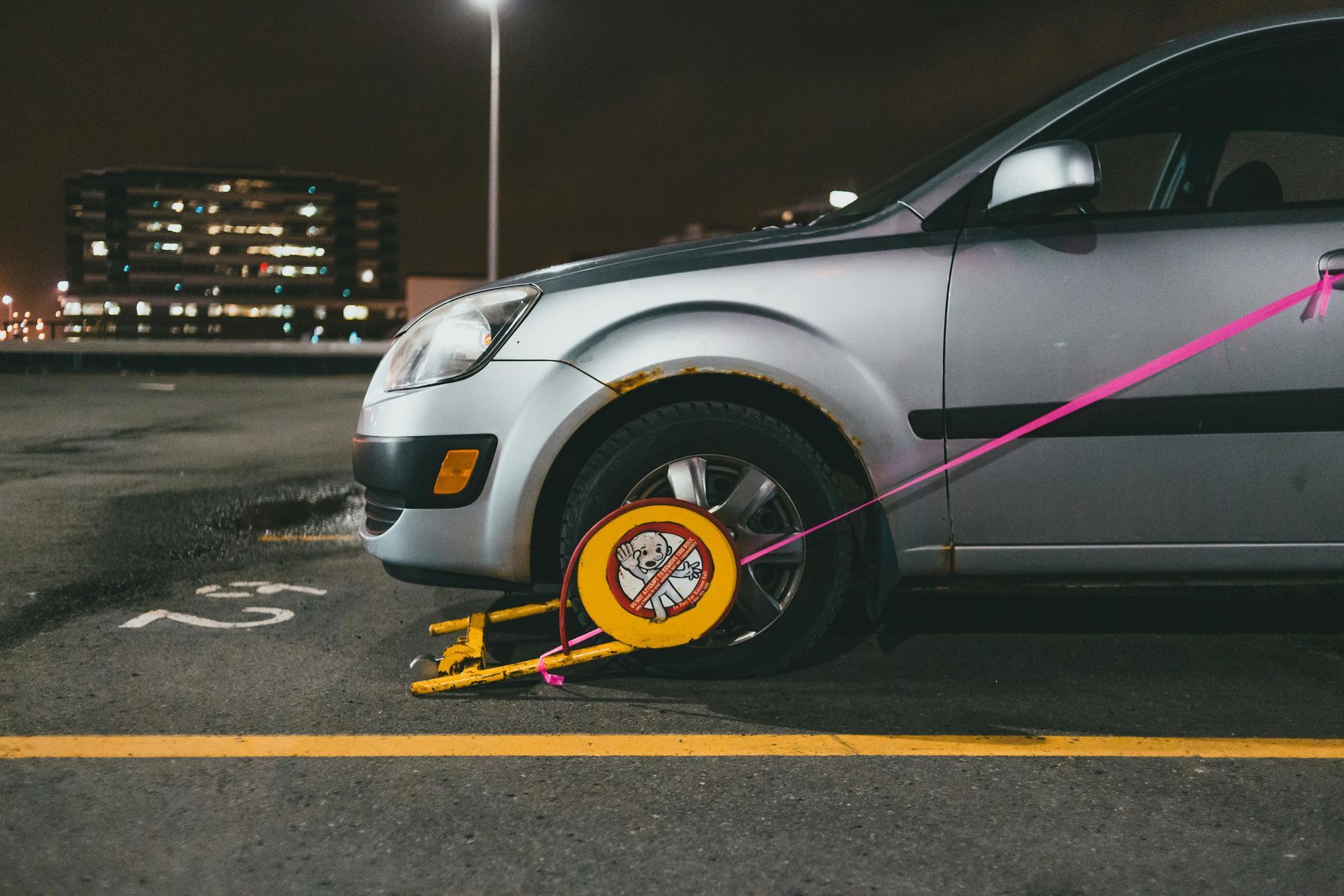
Getting a flat tire can happen without warning, whether you’re driving through Cheboygan, Michigan, heading toward nearby lakes, or traveling a rural back road. While a flat tire is rarely a medical emergency, it can quickly become a safety issue if handled incorrectly. Knowing what to do before help arrives can reduce risk, prevent vehicle damage, and keep the situation from becoming more stressful than it needs to be. This guide explains exactly what steps to take after a flat tire, how to stay safe while waiting, and when professional roadside assistance is the best option.
Step 1: Slow Down Gradually and Pull Over Safely
The moment you realize you have a flat tire, your priority should be finding a safe place to stop.
Signs of a flat tire include:
- Thumping or flapping noises
- Steering pulling to one side
- Vibration through the steering wheel
- Sudden loss of tire pressure warning
Do not brake suddenly. Instead:
- Reduce speed gradually
- Turn on hazard lights
- Pull off the road to a safe, level area
In Cheboygan, this may mean moving onto a shoulder, gravel turnout, or parking lot. Avoid stopping on curves or hills where visibility is limited.
Step 2: Secure the Vehicle and Protect Yourself
Once stopped, take steps to reduce the risk of an accident.
Important safety steps include:
- Keep hazard lights on
- Set the parking brake
- Turn wheels away from traffic if on a slope
- Stay inside the vehicle if traffic is heavy
If you must exit the vehicle, do so on the side away from traffic. Never stand directly behind or in front of the vehicle while cars are passing nearby.
Step 3: Assess the Tire Damage
Not all flat tires are the same. Understanding the type of damage can help determine your next step.
Common flat tire causes include:
- Nails or sharp debris
- Sidewall damage from potholes
- Blowouts
- Valve stem failure
If the tire is shredded, separated from the rim, or damaged on the sidewall, it is not safe to drive or repair on the roadside.
Step 4: Decide Whether to Change the Tire or Wait for Help
Some drivers are comfortable changing a tire, while others prefer to wait for professional help. Both options are valid depending on the situation.
You may consider changing the tire yourself if:
- You are in a safe, flat location
- You have a properly inflated spare
- You have the correct tools
- Weather and visibility are good
You should wait for assistance if:
- Traffic is heavy or fast-moving
- The shoulder is narrow or uneven
- Weather conditions are poor
- You lack tools or experience
Personal safety should always outweigh convenience.
Step 5: Why Driving on a Flat Tire Is a Bad Idea
Driving on a flat tire, even for a short distance, can cause serious damage.
Potential consequences include:
- Destroyed tire sidewalls
- Bent or cracked wheels
- Suspension and alignment damage
- Increased repair costs
If you cannot safely pull over immediately, slow down and stop as soon as possible.
Step 6: Stay Visible While Waiting for Assistance
Visibility is critical, especially in Northern Michigan where weather conditions can change rapidly.
Helpful visibility measures:
- Keep hazard lights on
- Use reflective triangles if available
- Raise the hood once safely stopped
- Avoid standing near traffic
At night or during fog or snow, remaining inside the vehicle is often the safest choice.
Step 7: What to Expect From Professional Roadside Assistance
Professional roadside services are equipped to handle flat tires quickly and safely.
They typically:
- Secure the scene
- Change the tire or tow the vehicle
- Inspect for additional damage
- Ensure the vehicle is safe to drive
Patriot Auto Repair provides roadside assistance and towing services for flat tires throughout Cheboygan and surrounding areas. Working with a local provider often results in faster response times and familiarity with local roads.
Spare Tires: What Drivers Should Know
Many vehicles now come with compact spare tires, often called “donuts.”
Important spare tire facts:
- They are designed for temporary use
- Speed and distance limits apply
- They should not be used for extended driving
- They must be properly inflated
Driving long distances on a spare tire can lead to additional damage.
Flat Tires in Winter vs Summer
Winter Flat Tires
Cold temperatures reduce tire pressure, increasing the risk of flats. Snow and ice can make roadside tire changes more dangerous.
Summer Flat Tires
Heat increases tire pressure and can contribute to blowouts, especially on worn tires.
Seasonal inspections help reduce the risk year-round.
How to Reduce the Risk of Flat Tires
While not all flats are preventable, proactive maintenance lowers the chances.
Helpful habits include:
- Checking tire pressure monthly
- Inspecting tires for wear and damage
- Avoiding potholes and road debris
- Rotating tires regularly
- Replacing worn tires promptly
Proper tire care improves safety and fuel efficiency.
Common Mistakes to Avoid After a Flat Tire
Drivers often make mistakes that worsen the situation.
Avoid:
- Continuing to drive on a flat
- Changing a tire in unsafe conditions
- Standing too close to traffic
- Ignoring wheel or suspension damage
- Forgetting to check spare tire condition
Staying calm and focused helps prevent accidents.
Frequently Asked Questions
Can I drive a short distance on a flat tire?
No. Even short distances can cause severe wheel and suspension damage.
How long does roadside assistance usually take?
Response times vary, but local providers often arrive faster than national services.
Is a plugged tire always safe?
Plugs may work for small tread punctures, but sidewall damage requires tire replacement.
Should I replace one tire or all four?
It depends on tread wear and drivetrain type. A professional inspection can determine the best option.
Do flat tires affect wheel alignment?
Yes. Driving on a flat can throw off alignment and damage suspension components.
Final Thoughts
A flat tire is an inconvenience, but it doesn’t have to be dangerous or overwhelming. By knowing what steps to take, prioritizing safety, and understanding when professional help is the better option, drivers in Cheboygan can handle flat tire situations with confidence. Proper tire maintenance and prompt assistance remain the most effective ways to stay safe and avoid unnecessary repairs.
Recent Posts