Transmission Problems: Symptoms, Causes, and Repair Options
Why Transmission Problems Require Immediate Attention
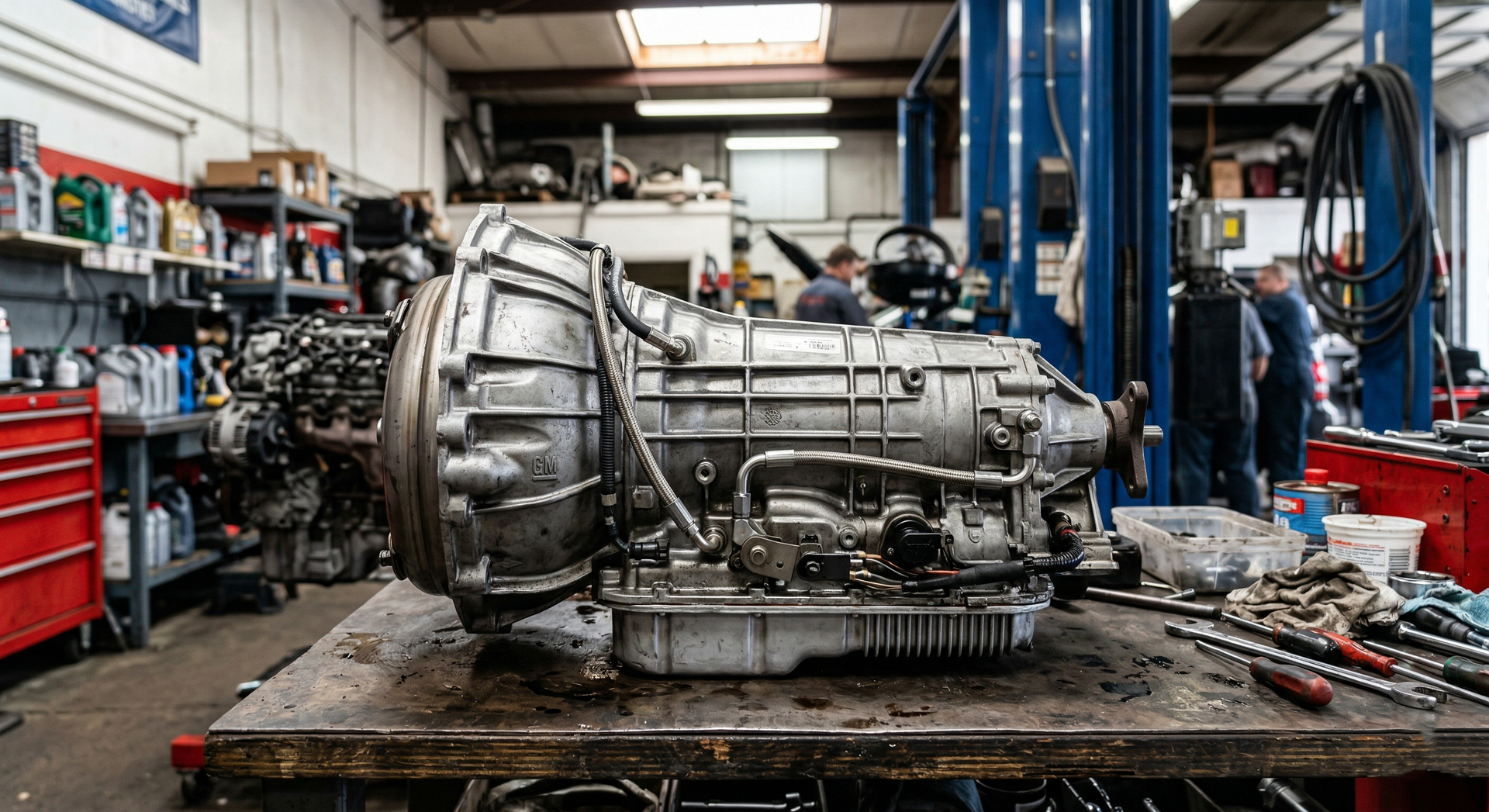
Transmission problems are some of the most serious mechanical issues a vehicle can experience. Unlike routine maintenance concerns, transmission trouble directly affects your ability to drive safely and reliably. For drivers in Cheboygan, Michigan—where winter weather, rural roads, and long travel distances are common—ignoring early transmission symptoms can quickly lead to breakdowns or complete vehicle failure. This guide explains how transmissions work, the most common warning signs of trouble, what causes transmission problems, and the repair options available so you can address issues before they become costly emergencies.
What the Transmission Does and Why It’s So Important
The transmission is responsible for transferring power from the engine to the wheels while allowing the engine to operate at efficient speeds. Without a properly functioning transmission, even a strong engine cannot move the vehicle effectively.
The transmission allows your vehicle to:
- Shift smoothly between gears
- Maintain consistent power delivery
- Adjust speed without stalling
- Improve fuel efficiency
- Handle different driving conditions
When transmission performance declines, the entire driving experience is affected—often suddenly and severely.
Early Warning Signs of Transmission Problems
Transmission issues rarely appear without warning. Recognizing early symptoms can prevent extensive internal damage.
Difficulty Shifting Gears
If your vehicle hesitates, jerks, or resists shifting, this may indicate internal wear, fluid issues, or electronic control problems.
Slipping Gears
Gear slipping occurs when the transmission unexpectedly changes gears or fails to stay engaged. This can cause sudden loss of power and unsafe driving conditions.
Unusual Noises
Whining, grinding, humming, or clunking sounds during acceleration or gear changes often signal worn components or insufficient lubrication.
Transmission Fluid Leaks
Transmission fluid is typically red or dark brown. Puddles beneath your vehicle often indicate seal or gasket failure and should be addressed immediately.
Burning Smell
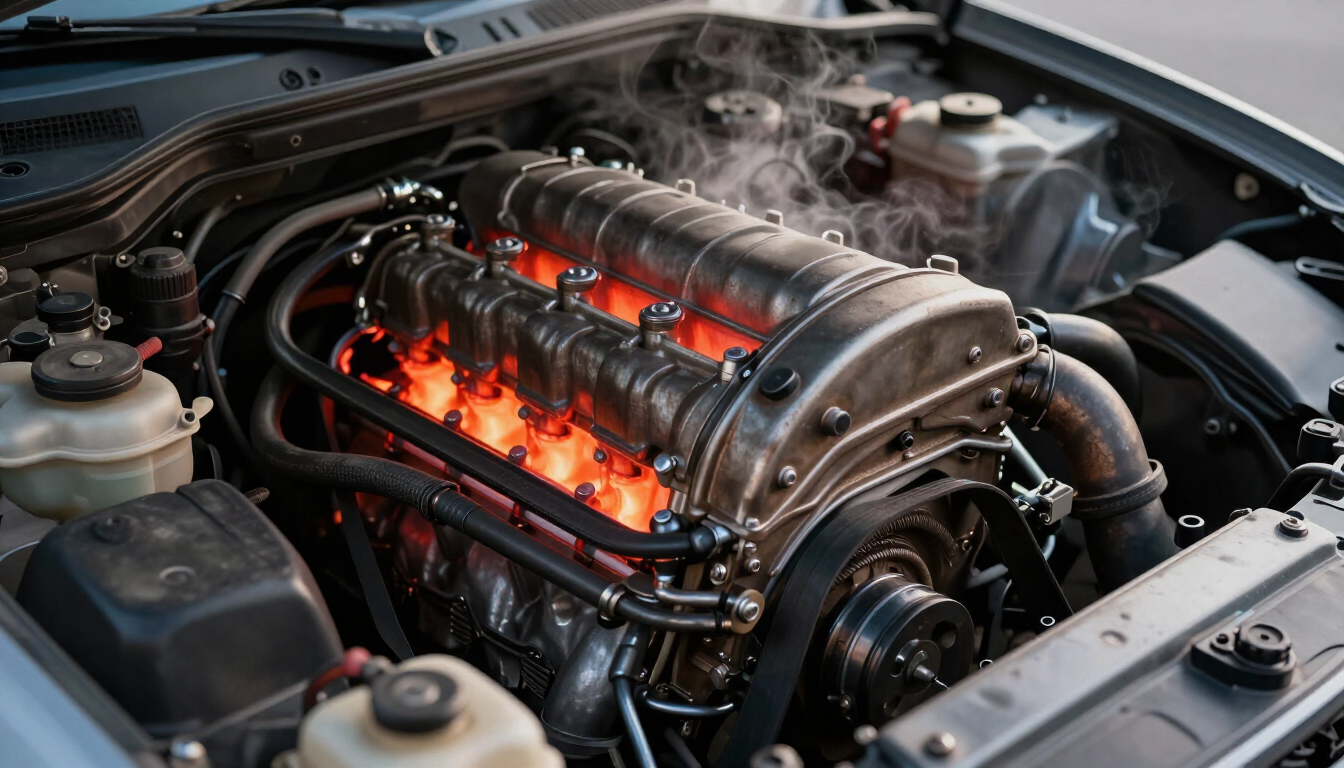
A burning odor may indicate overheating transmission fluid, which can lead to rapid internal damage if ignored.
Warning Lights
Modern vehicles may display a transmission or check engine warning light when the system detects abnormal behavior.
How Cheboygan and Northern Michigan Driving Conditions Affect Transmissions
Local conditions play a major role in transmission health.
Cold Weather Operation
Cold temperatures thicken transmission fluid, reducing its ability to lubricate and circulate properly during startup. This increases internal wear.
Stop-and-Go Driving
Short trips and frequent stops place constant stress on the transmission, particularly in automatic vehicles.
Towing and Heavy Loads
Towing trailers, boats, or equipment increases heat and pressure inside the transmission system.
Seasonal Temperature Swings
Rapid changes between freezing and warm temperatures cause components to expand and contract, accelerating wear over time.
Common Causes of Transmission Problems
Understanding what causes transmission issues helps drivers avoid repeat failures.
Low or Contaminated Transmission Fluid
Transmission fluid cools, lubricates, and cleans internal components. Low or dirty fluid increases friction and heat buildup.
Overheating
Heat is one of the leading causes of transmission failure. Overheating breaks down fluid and damages seals and clutches.
Worn Internal Components
Gears, clutches, bands, and bearings wear down over time, especially without proper maintenance.
Electronic or Sensor Failure
Modern transmissions rely on electronic controls. Faulty sensors or solenoids can cause improper shifting or loss of power.
Lack of Routine Maintenance
Skipping scheduled fluid services allows contaminants to circulate, accelerating internal wear.
Is It Safe to Drive With Transmission Problems?
Driving with transmission issues is risky and often worsens the damage.
You may experience:
- Reduced acceleration
- Delayed gear engagement
- Sudden loss of power
- Complete transmission failure
Continuing to drive can turn a manageable repair into a full replacement.
Transmission Repair Options Explained
The appropriate repair depends on the severity of the issue.
Transmission Fluid Service
In cases involving dirty or degraded fluid, replacing the fluid and filter may restore proper operation.
Component Repairs
Specific components such as solenoids, sensors, seals, or valves may be replaced without rebuilding the entire transmission.
Clutch Replacement
Manual transmission vehicles often require clutch replacement when slipping or shifting problems occur.
Transmission Rebuild
A rebuild involves disassembling the transmission, replacing worn parts, and restoring performance.
Transmission Replacement
When internal damage is extensive, replacement may be the most reliable long-term solution.
Why Professional Diagnosis Is Essential
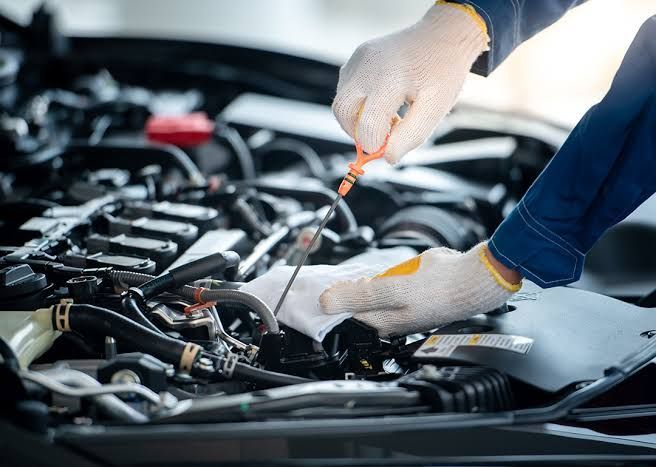
Transmission systems are complex, and guessing often leads to unnecessary repairs. Proper diagnosis ensures the correct solution is applied the first time.
A professional diagnosis typically includes:
- Computerized diagnostic scans
- Fluid inspection and analysis
- Road testing
- Mechanical evaluation
Patriot Auto Repair provides professional transmission diagnostics and repair services for Cheboygan drivers, helping identify issues accurately and prevent unnecessary costs.
What Affects the Cost of Transmission Repairs?
Transmission repair costs vary based on:
- Vehicle make and model
- Type of transmission
- Severity of damage
- Parts availability
- Labor requirements
Early intervention almost always reduces overall repair expenses.
Preventing Transmission Problems in Cheboygan
Preventive maintenance is the best defense against transmission failure.
Helpful practices include:
- Checking transmission fluid regularly
- Following recommended service intervals
- Avoiding excessive towing beyond vehicle limits
- Allowing vehicles to warm up in cold weather
- Addressing warning signs promptly
Routine inspections often catch issues before they escalate.
Manual vs Automatic Transmission Considerations
Manual Transmissions
Generally more durable but rely heavily on proper clutch use and timely maintenance.
Automatic Transmissions
More complex and sensitive to fluid condition, heat, and electronic controls.
Both systems require regular care to remain reliable.
Frequently Asked Questions
How often should transmission fluid be changed?
Many vehicles require service every 30,000–60,000 miles, though recommendations vary.
Can low transmission fluid cause gear slipping?
Yes. Low fluid reduces hydraulic pressure needed for proper gear engagement.
Is a transmission flush always recommended?
Not always. Some vehicles benefit more from a drain-and-fill service.
Can cold weather cause transmission issues?
Yes. Cold temperatures affect fluid flow and increase wear during startup.
Are transmission repairs worth it?
In many cases, addressing issues early is far more cost-effective than replacing a vehicle.
Final Thoughts
Transmission problems should never be ignored. Early warning signs provide valuable opportunities to prevent major repairs and breakdowns. By understanding symptoms, causes, and repair options, drivers in Cheboygan can protect their vehicles and avoid unnecessary expenses. Routine maintenance and timely professional diagnosis remain the most effective ways to extend transmission life and maintain safe, dependable performance.
Recent Posts