Jump Start vs Battery Replacement: Which Does Your Car Need?
When Your Car Won’t Start, What’s the Right Fix?
Few situations are more frustrating than turning the key or pressing the start button and hearing nothing—or just a clicking sound. In Cheboygan, Michigan, this problem is especially common during colder months, when batteries are under extra stress. Many drivers wonder whether a simple jump start will solve the issue or if the battery needs to be replaced entirely. Understanding the difference between these two solutions can save time, money, and prevent repeated breakdowns. This guide explains how car batteries work, why they fail, and how to tell whether a jump start or a replacement is the right choice.
How a Car Battery Works
Your vehicle’s battery supplies electrical power to start the engine and supports essential systems when the engine isn’t running. Once the engine starts, the alternator takes over most electrical duties and recharges the battery.
The battery is responsible for:
- Starting the engine
- Powering lights, radio, and electronics
- Supporting onboard computers and sensors
- Stabilizing voltage throughout the system
When the battery is weak or failing, these systems are affected—often without much warning.
What Causes Car Batteries to Fail?
Car batteries don’t last forever. Most have a lifespan of three to five years, but several factors can shorten that timeline.
Common causes of battery failure include:
- Cold weather reducing battery capacity
- Frequent short trips that prevent full recharging
- Leaving lights or accessories on
- Corroded or loose battery terminals
- Age-related internal wear
In Northern Michigan, cold temperatures are one of the biggest contributors to battery problems.
What Is a Jump Start?
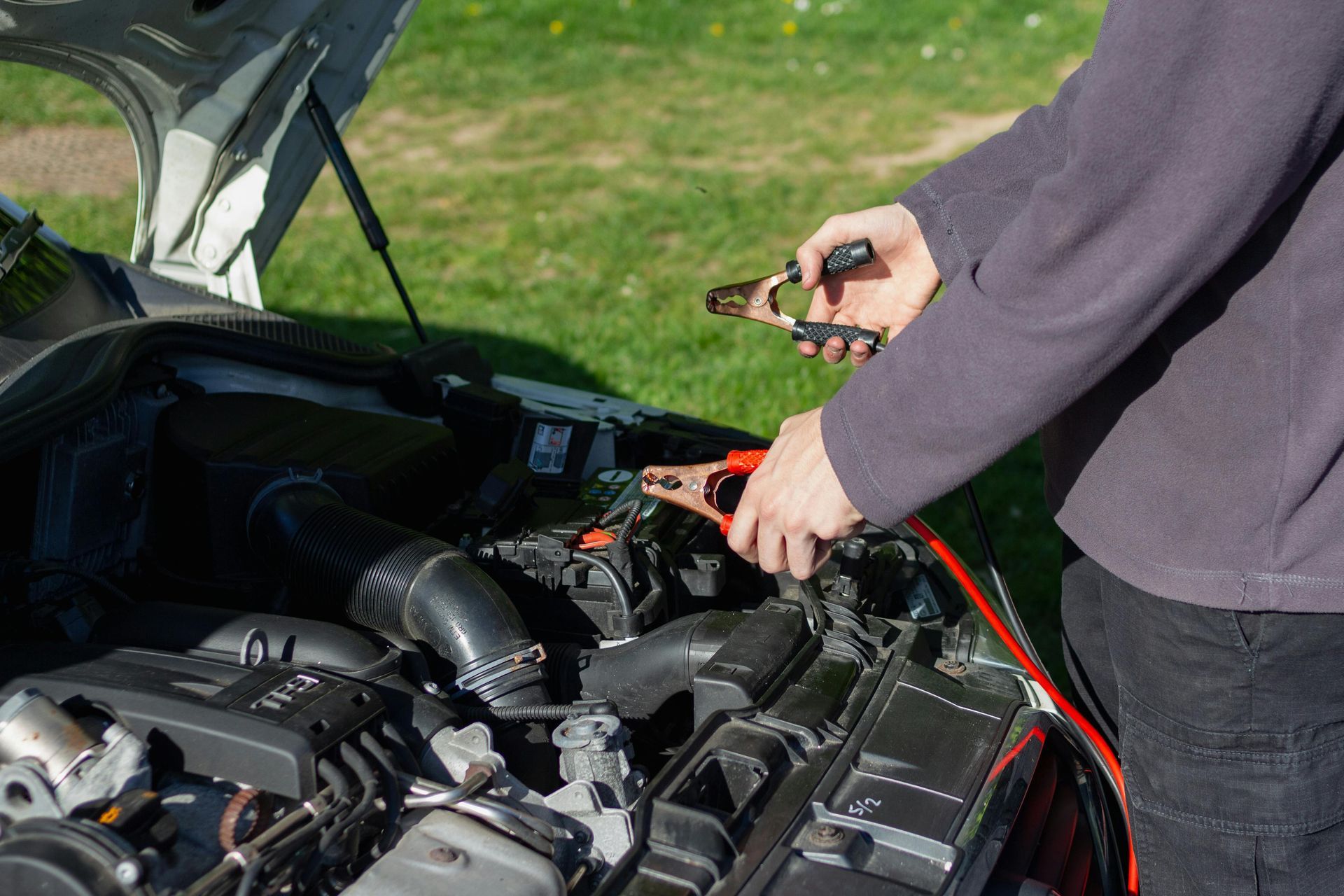
A jump start temporarily restores power to a drained battery by using electricity from another vehicle or a portable jump pack.
A jump start:
- Provides enough power to start the engine
- Does not repair the battery
- Is often a short-term solution
Once the engine is running, the alternator recharges the battery. However, if the battery is weak or damaged, it may not hold that charge.
Situations Where a Jump Start Is Usually Enough
In some cases, a jump start is all you need to get back on the road.
A jump start may be sufficient if:
- The battery is relatively new
- The battery was drained by accident
- The vehicle sat unused for a short time
- No warning signs were present beforehand
After a successful jump start, the vehicle should be driven long enough to recharge the battery fully.
Signs a Jump Start Is Only a Temporary Fix
Even if a jump start works, it doesn’t always mean the problem is solved.
Warning signs include:
- The car needs repeated jump starts
- The engine cranks slowly
- Electrical systems flicker or reset
- The battery warning light stays on
- The vehicle stalls after starting
These symptoms suggest the battery may no longer be reliable.
What Does Battery Replacement Involve?
Battery replacement removes the failing battery and installs a new one that meets your vehicle’s electrical requirements.
A proper replacement includes:
- Selecting the correct battery size and capacity
- Cleaning battery terminals and cables
- Securing the battery correctly
- Testing the charging system
Replacing a failing battery restores dependable starting and electrical performance.
Signs You Likely Need a Battery Replacement
Certain symptoms strongly indicate that replacement is the best option.
These include:
- Battery age over three to five years
- Swollen or leaking battery case
- Heavy corrosion on terminals
- Frequent no-start situations
- Battery fails load testing
When these signs appear, jump starts often become less effective over time.
Why Cold Weather in Cheboygan Makes Battery Issues Worse
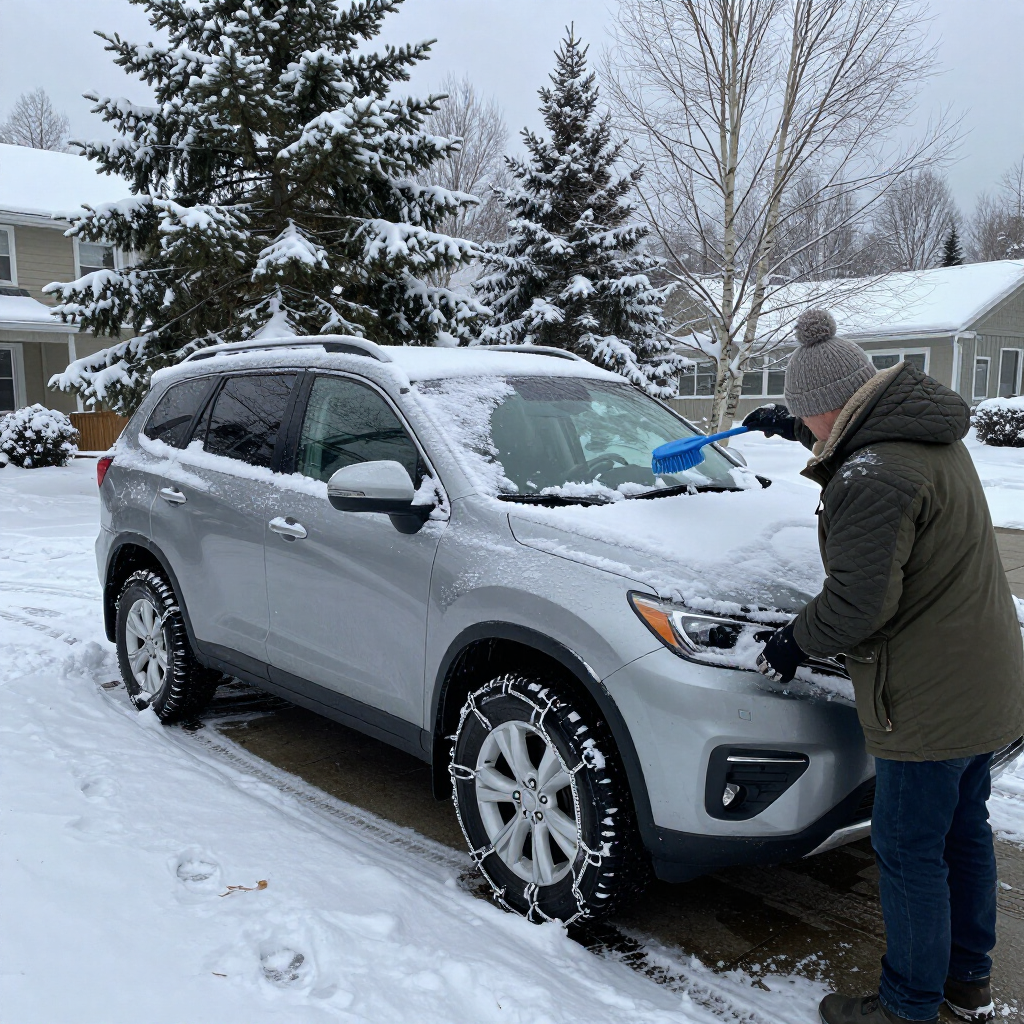
Cold temperatures slow the chemical reactions inside a battery, reducing its ability to deliver power. At the same time, engines require more energy to start in cold conditions.
In Cheboygan:
- Winter temperatures strain older batteries
- Short winter trips prevent full recharging
- Electrical loads increase due to heaters and defrosters
This combination makes battery problems far more common during fall and winter.
Jump Starting Risks and Common Mistakes
Jump starting is not risk-free, especially if done incorrectly.
Common mistakes include:
- Reversing jumper cable connections
- Using damaged or undersized cables
- Jumping a frozen or leaking battery
- Standing too close to traffic
Incorrect jump starts can damage vehicle electronics or cause injury.
How Professionals Determine the Right Solution
Determining whether a jump start or replacement is needed requires testing, not guesswork.
A professional battery service typically includes:
- Voltage testing
- Load testing
- Inspection of terminals and cables
- Alternator output testing
Patriot Auto Repair provides battery testing, jump start services, and battery replacement for drivers in Cheboygan. Professional testing ensures the correct solution is chosen the first time.
What About the Alternator?
Sometimes, the battery isn’t the real problem. A failing alternator can prevent the battery from charging properly.
Signs of alternator issues include:
- Battery light illuminated on the dashboard
- Dimming headlights while driving
- Electrical failures during operation
- Battery draining even after replacement
Testing both systems together prevents repeat failures.
Preventing Future Battery Problems
Proactive maintenance can significantly extend battery life.
Helpful tips include:
- Testing the battery before winter
- Keeping terminals clean and tight
- Driving long enough to recharge the battery
- Turning off accessories when parked
- Replacing aging batteries before failure
Routine inspections reduce the chance of unexpected no-start situations.
Frequently Asked Questions
How long does a jump start last?
It depends on battery condition. A healthy battery may last years, while a failing one may die again quickly.
Can I jump start my car every day?
Repeated jump starts indicate a deeper issue and can damage electrical components over time.
Should I replace my battery before winter?
Yes. Replacing an aging battery before cold weather often prevents breakdowns.
Is a portable jump starter safe?
Yes, when used correctly and according to manufacturer instructions.
How long does battery replacement take?
Most replacements can be completed quickly, often within the same visit.
Final Thoughts
Knowing whether your car needs a jump start or a battery replacement can prevent repeated breakdowns and unnecessary stress. While a jump start can be a convenient short-term solution, it does not fix a failing battery. For drivers in Cheboygan, where cold weather and short trips are common, proactive battery testing and timely replacement are key to reliable vehicle operation year-round.
Recent Posts