Why Your Check Engine Light Is On in Cheboygan, MI
What the Check Engine Light Is Telling You
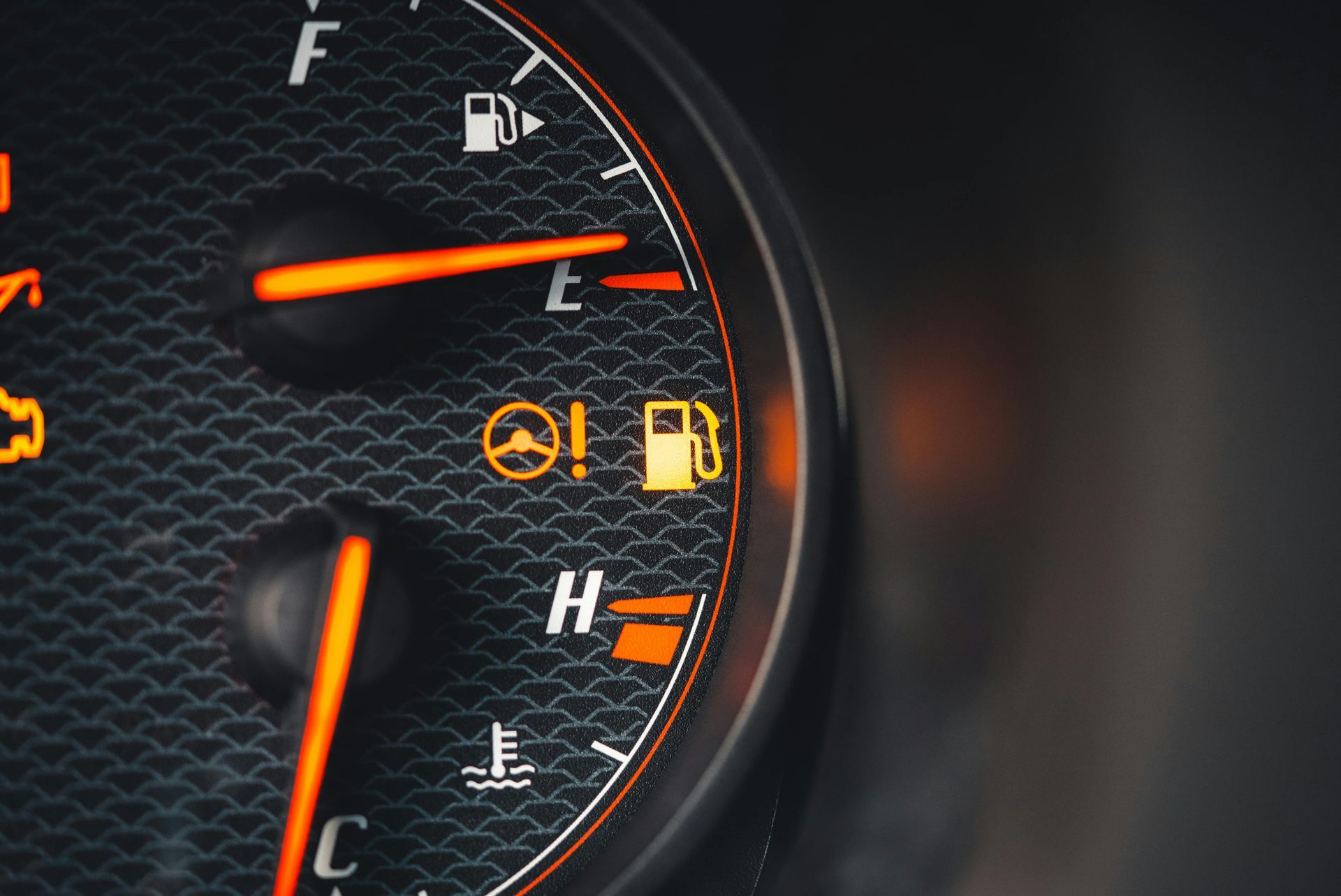
Seeing the check engine light illuminate on your dashboard can be unsettling. For many drivers in Cheboygan, Michigan, it happens during everyday driving—on the way to work, while running errands, or during a longer trip outside town. While the light doesn’t always mean immediate danger, it is never something to ignore. This guide explains why the check engine light comes on, what the different signals mean, and how to decide your next steps to protect your vehicle and avoid costly repairs.
What the Check Engine Light Actually Means
The check engine light is part of your vehicle’s onboard diagnostics system. When something isn’t functioning as intended, sensors detect the issue and trigger the light.
This system monitors:
- Engine performance
- Emissions controls
- Fuel delivery
- Ignition timing
- Exhaust components
The light is designed to alert you early, often before a minor issue becomes a major mechanical problem.
Solid vs Flashing Check Engine Light
Not all check engine lights indicate the same level of urgency.
Solid Check Engine Light
A steady light usually means a non-emergency issue. The vehicle may still be drivable, but the problem should be diagnosed soon to prevent further damage.
Flashing Check Engine Light
A flashing light indicates a serious issue, often related to engine misfires. Continuing to drive in this situation can damage the catalytic converter and other expensive components. If the light is flashing, reduce speed immediately and stop driving as soon as it’s safe.
Common Reasons the Check Engine Light Turns On
There are many possible triggers, ranging from simple to severe.
Loose or Damaged Gas Cap
A loose gas cap can cause fuel vapors to escape, triggering the emissions system. This is one of the most common and least expensive causes.
Faulty Oxygen Sensor
Oxygen sensors regulate fuel efficiency and emissions. A failing sensor can reduce gas mileage and increase emissions.
Bad Spark Plugs or Ignition Coils
Worn ignition components can cause misfires, rough idling, and reduced engine performance.
Mass Airflow Sensor Problems
This sensor helps control fuel injection. When it fails, the engine may stall or run inefficiently.
Catalytic Converter Issues
Problems with the catalytic converter are serious and expensive. They often result from unresolved misfires or fuel system issues.
Why Michigan Driving Conditions Matter
Cheboygan’s environment plays a role in check engine light issues.
Cold Weather Stress
Cold starts put extra strain on sensors, batteries, and ignition systems, increasing the likelihood of warning lights.
Short Trips
Frequent short trips prevent the engine from fully warming up, allowing moisture and fuel buildup that affects sensors.
Seasonal Changes
Rapid temperature shifts can cause components to expand and contract, leading to sensor failures or electrical issues.
Is It Safe to Drive With the Check Engine Light On?
The answer depends on how the vehicle is behaving.
You may be able to drive temporarily if:
- The light is solid
- The vehicle feels normal
- No unusual noises or smells are present
You should stop driving immediately if:
- The light is flashing
- The engine is shaking or misfiring
- Power is reduced
- You smell burning or fuel odors
When in doubt, it’s safer to have the vehicle inspected.
What Not to Do When the Light Comes On
Many drivers make mistakes that worsen the problem.
Avoid:
- Ignoring the light for weeks or months
- Disconnecting the battery to reset the light
- Continuing long drives without diagnosis
- Assuming the issue will resolve itself
Resetting the light without fixing the problem does not prevent damage—it only hides the warning temporarily.
How a Diagnostic Scan Helps Identify the Problem
A diagnostic scan reads the error codes stored in your vehicle’s computer. These codes provide insight into what system triggered the light.
However, codes alone do not always pinpoint the exact failure. A professional diagnosis includes:
- Interpreting scan data
- Inspecting related components
- Testing sensors and circuits
- Verifying the root cause
This approach prevents unnecessary part replacements.
Why Professional Diagnosis Matters
Modern vehicles rely on complex electronics. Guessing or replacing parts without proper testing often leads to wasted money.
Patriot Auto Repair provides professional diagnostic inspections to accurately identify check engine light issues. Local technicians understand how regional driving conditions affect vehicle systems, leading to more reliable repairs.
How Long Can You Drive Before Getting It Checked?
Even if the car seems fine, delaying diagnosis can allow small issues to grow.
Potential risks of waiting include:
- Reduced fuel efficiency
- Increased emissions
- Damage to expensive components
- Unexpected breakdowns
Addressing the issue early is usually faster and less expensive.
Can the Check Engine Light Turn Off on Its Own?
In some cases, the light may turn off if the issue was temporary, such as a loose gas cap. However, this does not always mean the problem is fully resolved.
Stored trouble codes may still exist, and the issue can return. A professional scan can confirm whether the system is truly operating correctly.
Preventing Future Check Engine Light Problems
While not all issues are preventable, routine maintenance significantly reduces risk.
Helpful practices include:
- Regular oil changes
- Replacing spark plugs on schedule
- Keeping sensors clean
- Addressing warning signs early
- Avoiding prolonged driving with known issues
Preventive maintenance improves reliability and extends vehicle life.
Frequently Asked Questions
Can weather cause the check engine light to come on?
Extreme cold or temperature changes can affect sensors and electrical connections.
Is a check engine light the same as a maintenance reminder?
No. Maintenance reminders are scheduled alerts, while the check engine light indicates a detected problem.
Will my car fail inspection with the check engine light on?
In most cases, yes. Emissions-related faults often prevent passing inspection.
Should I buy a code reader and diagnose it myself?
Code readers provide basic information but cannot replace professional testing.
Is it expensive to fix a check engine light issue?
Costs vary widely. Some fixes are simple, while others involve major components.
Final Thoughts
The check engine light is your vehicle’s way of asking for attention. While it doesn’t always signal an emergency, ignoring it can lead to costly repairs and unexpected breakdowns. By understanding what the light means, responding appropriately, and seeking professional diagnosis when needed, drivers in Cheboygan can keep their vehicles running safely and efficiently year-round.
Recent Posts