The Importance of Routine Vehicle Maintenance for Long-Term Reliability
Regular Maintenance Is the Key to a Reliable Vehicle
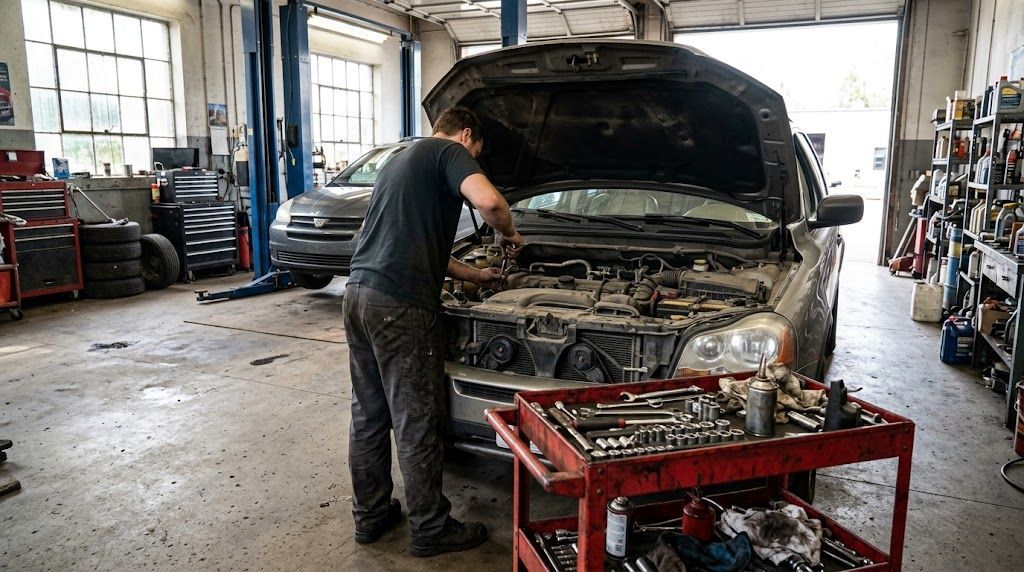
Every vehicle owner wants their car, truck, or SUV to last as long as possible while avoiding expensive repairs. Although today's vehicles are more dependable than ever, they still require regular maintenance to perform safely and efficiently. Routine maintenance is about much more than changing the oil—it's a proactive approach that helps identify small issues before they develop into major mechanical failures.
For drivers in Cheboygan, Michigan, preventive maintenance is especially important. The combination of harsh winters, road salt, rural highways, changing temperatures, and seasonal driving conditions places additional stress on nearly every vehicle system. Batteries work harder in freezing temperatures, suspension components absorb impacts from potholes, and brake systems face increased exposure to moisture and corrosion.
Many costly repairs can be traced back to maintenance that was delayed or overlooked. Fortunately, most routine services are relatively affordable and can significantly extend the life of your vehicle. Whether you drive a newer sedan, a family SUV, or a hardworking pickup truck, staying on top of scheduled maintenance helps improve reliability, fuel efficiency, and resale value.
This guide explains why routine maintenance matters, which services should never be skipped, and how consistent care can save Cheboygan drivers time, money, and unnecessary stress.
What Is Routine Vehicle Maintenance?
Routine vehicle maintenance refers to scheduled inspections and services performed to keep a vehicle operating safely and efficiently. Unlike repairs, which address existing problems, maintenance focuses on preventing problems before they occur.
Common maintenance services include:
- Oil and filter changes
- Tire rotations
- Brake inspections
- Battery testing
- Fluid inspections and replacement
- Air filter replacement
- Belt and hose inspections
- Wheel alignments
- Suspension inspections
- Cooling system maintenance
Every manufacturer provides a recommended maintenance schedule based on mileage and time. Following that schedule is one of the best ways to protect your investment.
Why Preventive Maintenance Saves Money
Some drivers delay maintenance because they want to avoid short-term expenses. Unfortunately, this often leads to much larger repair bills later.
For example:
- Delaying oil changes can lead to engine wear.
- Ignoring worn brake pads can damage rotors.
- Driving on underinflated tires shortens tire life.
- Failing to replace coolant can cause overheating.
- Skipping transmission service may contribute to transmission failure.
Routine maintenance costs far less than replacing major components such as an engine or transmission. Investing a little today often prevents spending much more tomorrow.
Oil Changes: The Foundation of Engine Health
Engine oil lubricates moving parts, reduces friction, removes contaminants, and helps regulate engine temperature.
As oil ages, it gradually loses its ability to protect the engine.
Benefits of regular oil changes include:
- Reduced engine wear
- Better fuel efficiency
- Improved engine performance
- Lower operating temperatures
- Longer engine life
Following the manufacturer's recommended oil change interval helps ensure the engine remains properly protected throughout the year.
Tire Maintenance Improves Safety and Saves Money
Tires affect nearly every aspect of vehicle performance.
Routine tire maintenance includes:
- Checking tire pressure
- Rotating tires
- Inspecting tread depth
- Checking for uneven wear
- Wheel balancing
- Wheel alignment
Properly maintained tires improve:
- Braking performance
- Fuel economy
- Steering response
- Ride comfort
- Tire lifespan
Cheboygan's changing temperatures can cause tire pressure to fluctuate throughout the year, making regular inspections particularly important.
Brake Inspections Protect Both Your Vehicle and Your Wallet
Brake components naturally wear over time.
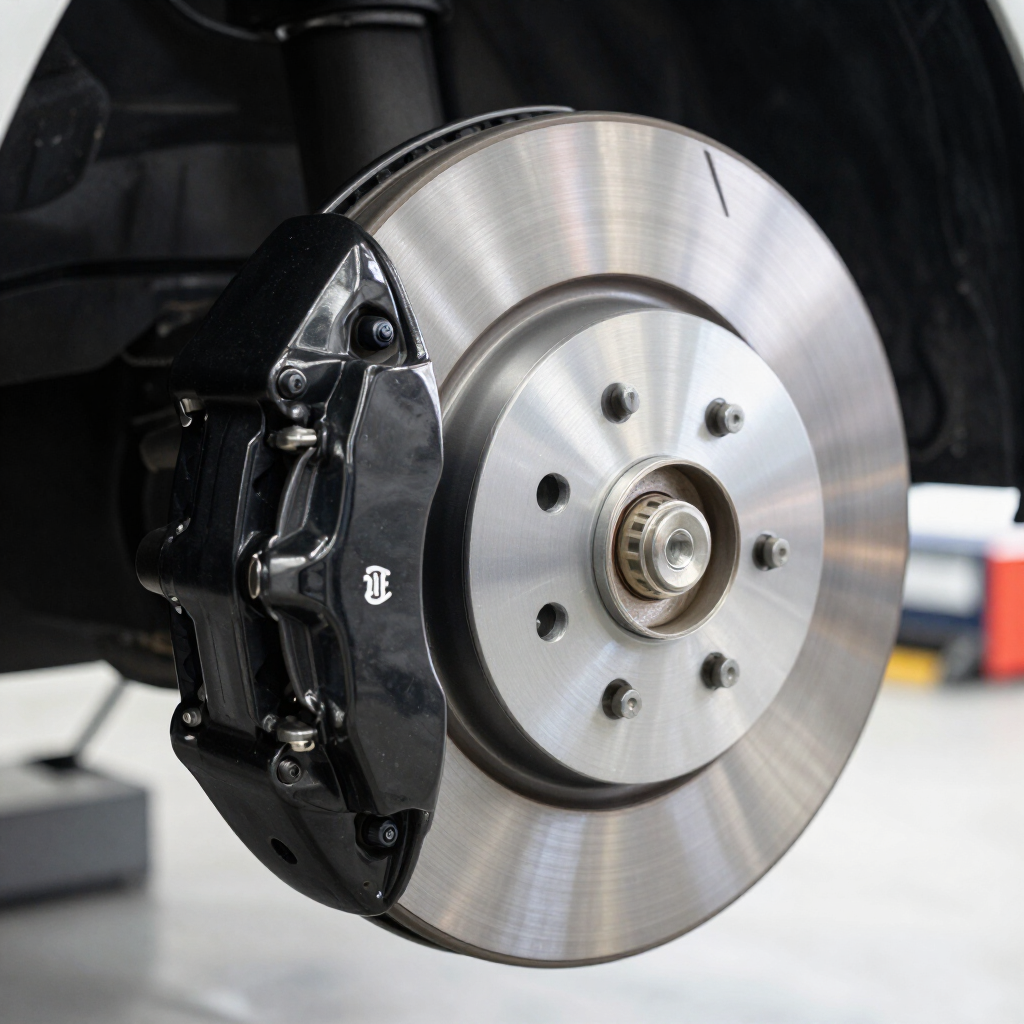
Routine inspections allow technicians to monitor:
- Brake pad thickness
- Rotor condition
- Brake fluid
- Calipers
- Brake lines
Replacing brake pads before they wear completely often prevents costly rotor damage.
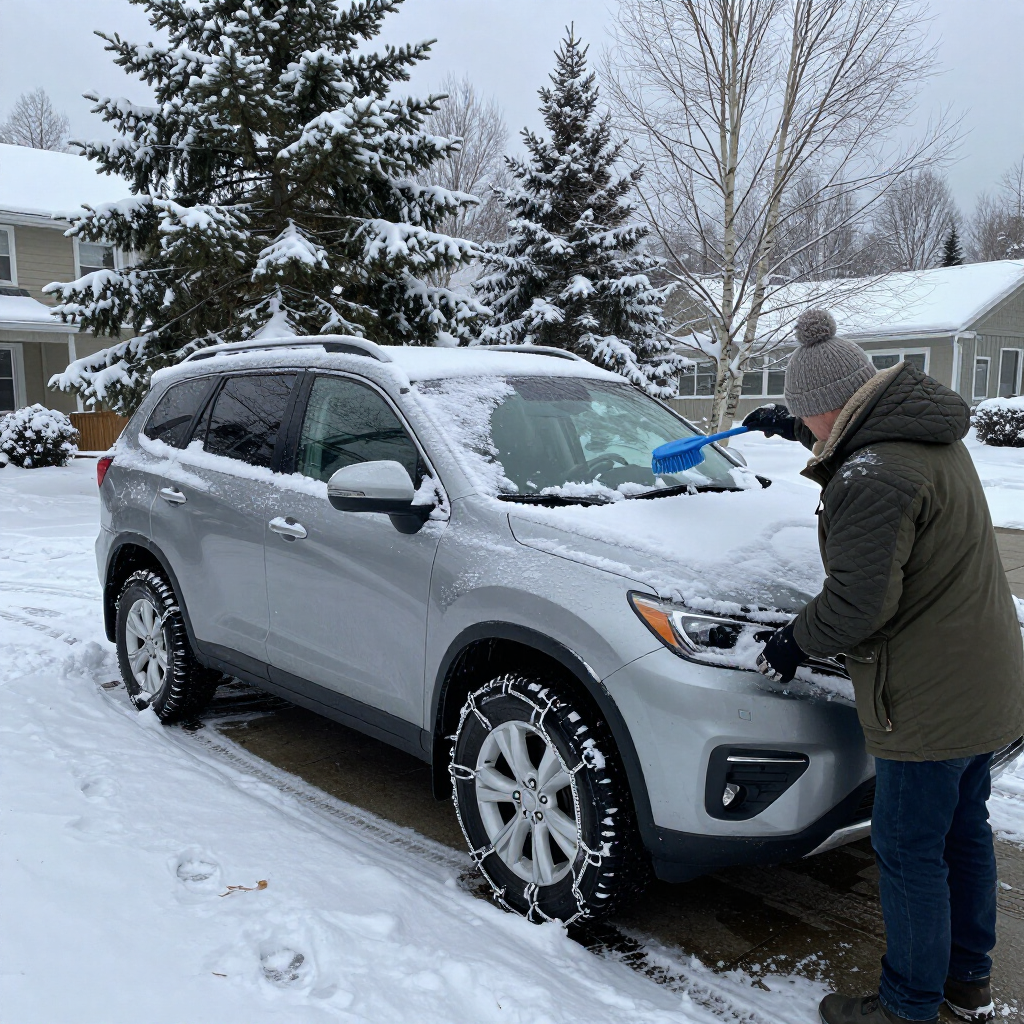
Maintaining a healthy braking system also improves stopping performance during Northern Michigan's snow and ice season.
Battery Maintenance Helps Prevent Unexpected Breakdowns
Cold weather is one of the leading causes of battery failure.
Routine battery inspections include:
- Voltage testing
- Load testing
- Terminal cleaning
- Cable inspection
- Charging system evaluation
Replacing an aging battery before it fails can prevent inconvenient roadside breakdowns during winter.
Fluid Checks Protect Multiple Vehicle Systems
Several fluids are essential for proper vehicle operation.
These include:
- Engine oil
- Coolant
- Brake fluid
- Transmission fluid
- Power steering fluid
- Differential fluid
- Windshield washer fluid
Low or contaminated fluids can lead to overheating, corrosion, excessive wear, and poor performance.
Routine inspections ensure fluids remain at proper levels and are replaced when necessary.
Air Filters Improve Performance
Your vehicle uses two primary air filters.
Engine Air Filter
Keeps dirt and debris from entering the engine.
A clean filter helps:
- Improve fuel economy
- Maintain engine performance
- Reduce engine wear
Cabin Air Filter
Filters air entering the passenger compartment.
Replacing it improves:
- Interior air quality
- Heater performance
- Air conditioning efficiency
Belts and Hoses Should Never Be Overlooked
Rubber components naturally deteriorate with age.
Routine inspections identify:
- Cracks
- Fraying
- Swelling
- Soft spots
- Leaks
Replacing worn belts and hoses before failure helps prevent roadside breakdowns.
Cooling System Maintenance Prevents Overheating
The cooling system regulates engine temperature throughout every season.
Routine cooling system maintenance includes:
- Checking coolant levels
- Inspecting hoses
- Pressure testing
- Thermostat inspection
- Radiator inspection
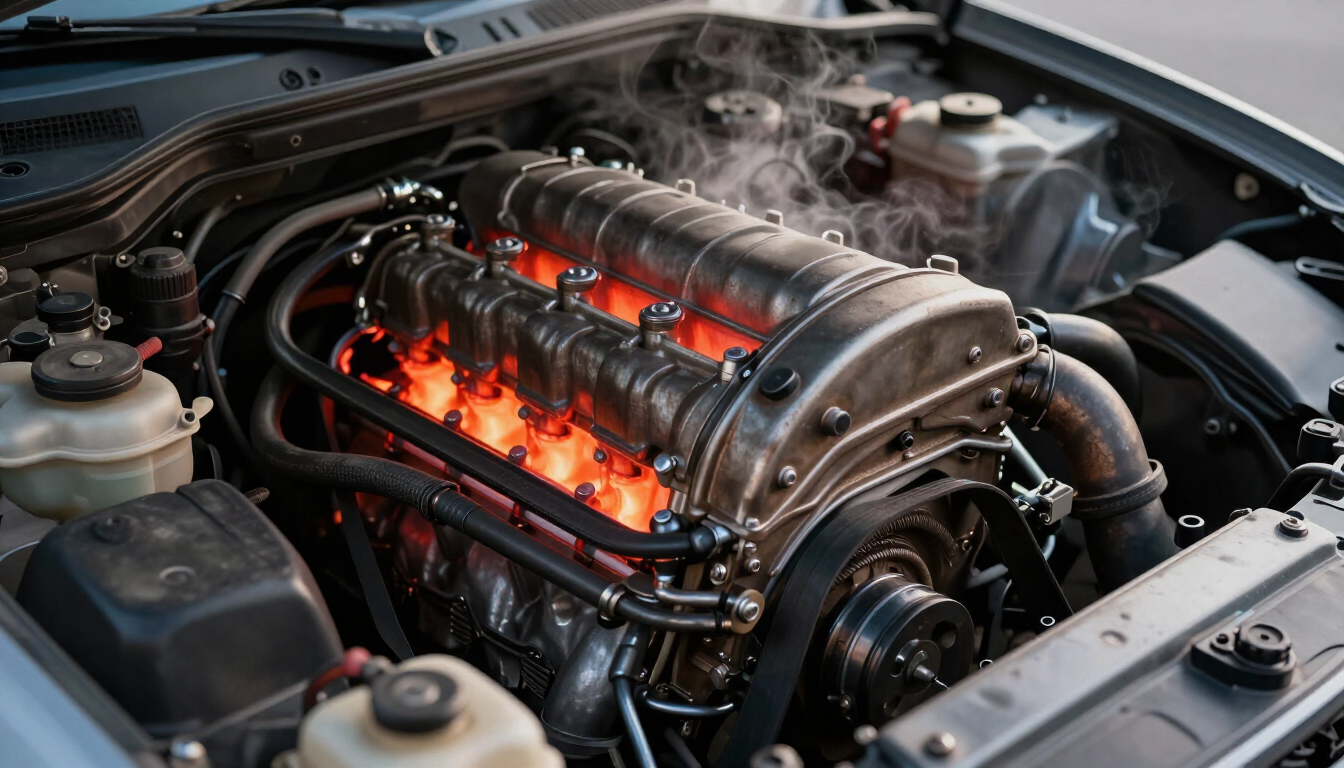
These services help reduce the likelihood of overheating and expensive engine repairs.
Suspension and Steering Inspections Improve Ride Quality
Suspension components wear gradually and often go unnoticed.
Regular inspections evaluate:
- Shocks
- Struts
- Ball joints
- Tie rods
- Bushings
- Wheel bearings
Proper suspension maintenance improves:
- Steering control
- Tire wear
- Ride comfort
- Vehicle stability
This is especially valuable on Michigan's uneven roads.
Seasonal Maintenance Is Especially Important in Cheboygan
Each season brings unique maintenance needs.
Spring
Winter often leaves behind:
- Pothole damage
- Alignment issues
- Salt-related corrosion
Spring inspections help identify this damage early.
Summer
Higher temperatures place greater demands on:
- Cooling systems
- Tires
- Air conditioning
Checking these systems before long road trips helps prevent breakdowns.
Fall
Preparing for colder weather includes:
- Battery testing
- Tire inspection
- Heater inspection
- Fluid checks
Winter
Cold weather requires:
- Strong batteries
- Proper coolant protection
- Reliable brakes
- Good tire traction
Seasonal maintenance keeps your vehicle ready for changing conditions.
Keeping Maintenance Records Adds Value
Maintaining service records provides several advantages.
Benefits include:
- Easier maintenance scheduling
- Proof of vehicle care
- Improved resale value
- Faster diagnosis of recurring issues
Buyers often place greater value on vehicles with documented maintenance histories.
Why Professional Maintenance Matters
Although some maintenance tasks can be performed at home, professional inspections often uncover problems that are not immediately visible.
Experienced technicians use specialized equipment to identify:
- Hidden leaks
- Electrical issues
- Suspension wear
- Brake problems
- Developing engine concerns
Routine professional inspections provide an extra layer of confidence.
Choosing a Trusted Local Repair Shop
Having a repair shop that understands local driving conditions makes maintenance easier and more effective.
Patriot Auto Repair provides routine maintenance, diagnostics, brake service, engine repair, towing, roadside assistance, and vehicle inspections for drivers throughout Cheboygan. Working with a trusted local shop helps ensure maintenance is performed according to manufacturer recommendations while addressing the unique challenges of Northern Michigan driving.
Frequently Asked Questions
How often should routine maintenance be performed?
Maintenance schedules vary by vehicle, but oil changes, tire inspections, and fluid checks should be performed regularly according to your owner's manual.
Is maintenance really necessary if my vehicle seems to be running fine?
Yes. Many mechanical problems develop gradually without obvious symptoms. Preventive maintenance identifies these issues before they become major repairs.
Does regular maintenance improve fuel economy?
Yes. Proper tire pressure, clean filters, fresh oil, and correctly functioning engine components all contribute to better fuel efficiency.
Can skipping maintenance void my vehicle's warranty?
In some cases, failing to follow the manufacturer's maintenance schedule may affect warranty coverage. Always keep service records and follow recommended intervals.
Why should I have my vehicle inspected before winter?
Cold temperatures place additional stress on batteries, brakes, tires, and the cooling system. A pre-winter inspection helps ensure your vehicle is prepared for seasonal driving conditions.
Final Thoughts
Routine vehicle maintenance is one of the smartest investments you can make as a vehicle owner. While it's easy to postpone small services when your vehicle appears to be running well, consistent maintenance helps prevent unexpected breakdowns, improves safety, extends the life of major components, and reduces long-term repair costs.
For drivers in Cheboygan, Michigan, preventive maintenance is especially valuable because of the area's demanding weather conditions and seasonal road hazards. Regular inspections, timely fluid changes, brake service, tire care, and battery testing all contribute to dependable year-round performance.
By following your manufacturer's maintenance schedule and partnering with a trusted local repair shop, you can keep your vehicle operating at its best for many years to come while enjoying greater confidence every time you get behind the wheel.
Recent Posts